
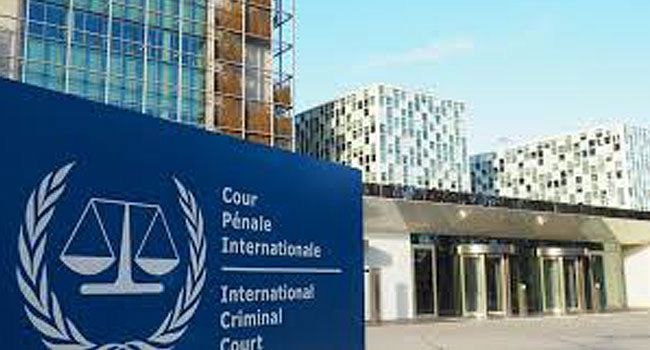
The three West African Sahel states are currently under military rule following coups that took place between 2020 and 2023, and have increasingly distanced themselves from Western partners. In September last year, they jointly announced plans to leave the ICC, describing the court as an “instrument of neo-colonial repression in the hands of imperialism”.
In a statement sent to AFP on Tuesday, the ICC said it had received an “instrument of withdrawal” on June 18 from Niger’s military leader, General Abdourahamane Tiani.
The court explained that the withdrawal will officially take effect on June 18, 2027, exactly one year after notification, adding that Niger remains bound by all its legal obligations to the ICC until that date.
“While joining or withdrawing from a treaty remains a sovereign right of States under international law, we regret any decision to depart from the collective effort to end impunity for the most serious international crimes,” the ICC said.
The ICC statement did not reference Mali or Burkina Faso, despite their earlier joint announcement. The three countries continue to battle deadly insurgencies linked to Al-Qaeda and the Islamic State group, while their armed forces have also faced allegations of abuses against civilians.
Established in 2002, the International Criminal Court is mandated to prosecute individuals responsible for grave international crimes, including war crimes, when national authorities are unwilling or unable to act.
The court currently has 125 member states, while major powers including the United States, Russia, China, Israel, and Myanmar remain outside its jurisdiction.