
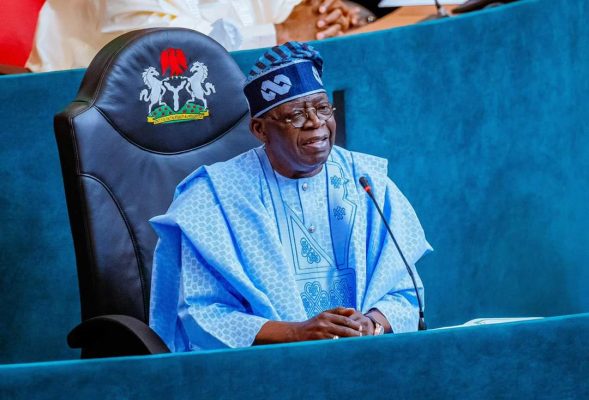
In a statement issued on 22nd June 2026, the Special Adviser to the President on Information and Strategy, Bayo Onanuga, said Obi’s position reflects a misunderstanding of Nigeria’s political structure and current realities.
According to the statement, Obi’s comparison with the British system was described as flawed, noting that Nigeria operates a presidential system with a fixed four-year tenure, unlike the United Kingdom’s parliamentary arrangement. It added that recent electoral victories recorded by the ruling party in Ekiti, Nasarawa, Enugu, Ondo, and Rivers States reflected continued public confidence in President Tinubu’s leadership.
The Presidency also criticised Obi for what it described as repeated attempts to pressure the President through social media rather than waiting for the 2027 general elections, saying such conduct undermines democratic processes.
On security, the statement rejected claims of national decline, insisting that the Tinubu administration has recorded measurable gains in counterterrorism and internal security operations. It stated that hundreds of kidnapped victims have been rescued, terrorist networks disrupted, and over 15,000 suspected terrorists neutralised or taken off the streets.
It further noted increased investments in security technology, drone surveillance, and the appointment of a Special Adviser on Homeland Security as evidence of sustained commitment.
“This was revealed in a statement by Bayo Onanuga,” the presidency said, while pointing to ongoing reforms as proof of progress rather than failure.
The statement also dismissed criticisms of the President’s past remarks and leadership record, arguing that they were being misrepresented and taken out of context.
On the economy, the Presidency said Obi’s description of worsening conditions was inaccurate, insisting that Nigeria has recorded consistent GDP growth, stronger trade balances, and rising foreign reserves now above $50 billion under the current administration.
It highlighted improvements in oil production, increased federation revenue, and higher allocations to states, which it said have enabled more development projects at the subnational level.
The statement also referenced strong gains in the stock market, increased investor confidence, and rising foreign direct and portfolio investments.
On infrastructure, it pointed to major road projects across the country and reforms aimed at improving education financing through interest-free student loans.
On power supply, the Presidency dismissed claims attributed to the President, clarifying that his remarks on electricity had been misrepresented. It said reforms under the Electricity Act have enabled decentralised power generation and distribution, while ongoing metering projects aim to end estimated billing.
While acknowledging economic challenges, the statement said global inflation and geopolitical tensions have also affected living conditions worldwide.
The Presidency concluded that Obi’s comments were politically motivated and misleading, describing them as an unnecessary distraction from ongoing national reforms.
It urged Nigerians to remain focused on what it described as efforts to stabilise the economy, improve security, and drive national development.