
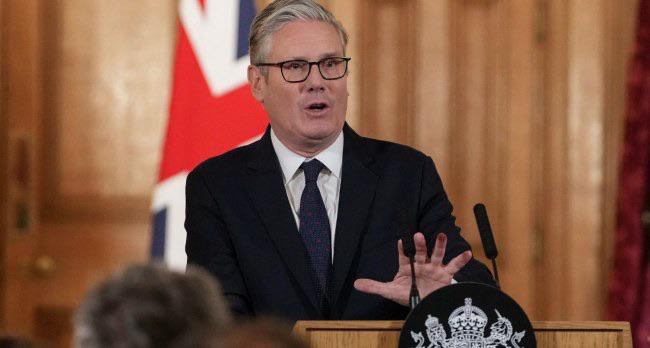
Starmer said the government “will ban access to social media for all children under the age of 16”, adding that these platforms are “exposing them to content that is dangerous” and “designed to be addictive”.
According to the proposal, the restriction will cover major platforms including Snapchat, TikTok, YouTube, Instagram, Facebook and X, though messaging services like WhatsApp would be excluded.
He said the government hopes to pass the regulation by December, with enforcement expected to begin in spring next year. He also noted plans for “world-leading action on gaming services and live streaming platforms”.
In an official statement, the government said it is also considering overnight curfews and breaks in infinite scrolling for users under 18, with further details expected in July.
Starmer cited Australia as an example, where authorities have already moved ahead with similar restrictions, becoming the first country to ban social media use for under-16s.
The plan follows a government consultation in which teenagers tested social media limits and restrictions. A spokesperson for YouTube warned that a blanket ban could push children toward “less safe services”.
Starmer also said the government is tightening rules around gaming and live streaming platforms that allow contact between strangers and children, asking: “Is there a situation in the offline world where you would just let your child pair up with a stranger? An adult that you don’t know about? No. So we’re taking action on that,” without providing full details.
The policy debate comes as countries like Canada and Indonesia move toward similar restrictions. Canada recently introduced a proposed Digital Safety Act, while Indonesia has begun enforcing its own age-based social media limits.
The UK consultation drew about 116,000 responses, with a large majority of parents saying risks outweighed benefits. Many supported a minimum age of 16 for social media use.
Separately, the government has already ordered tech firms to block children from sending and receiving nude images. Officials said companies including Apple and Google have been given deadlines to roll out safety features, warning that legislation would follow if they fail to comply.
The government said technology companies have a “moral responsibility” to “protect children from coercion, abuse and sextortion”, adding that new laws would also make it harder for child predators to target minors online.
Data from the Internet Watch Foundation also shows that a large share of child sexual abuse reports involve self-generated content from children, underscoring growing concerns behind the policy shift.