
The announcement was made by Pakistani Prime Minister Shehbaz Sharif, who said both countries had successfully concluded negotiations aimed at ending more than three months of hostilities that have rattled the region and disrupted global energy markets.
In a post on X, Sharif declared that a peace agreement had been secured and disclosed that a formal signing ceremony would take place in Switzerland on June 19.
According to him, the agreement marks the end of military engagements between the parties involved in the conflict.
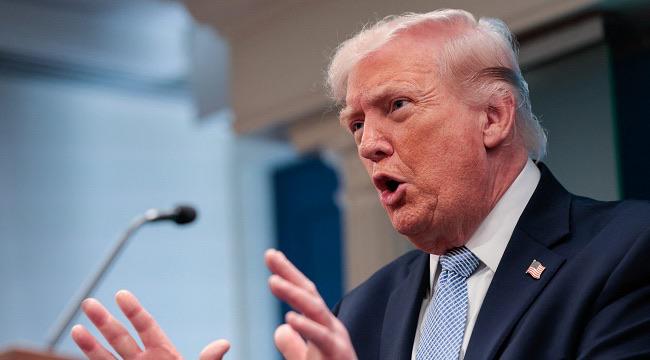
US President Donald Trump later appeared to confirm the development in a statement released on Sunday as he celebrated his 80th birthday.
“The Deal with the Islamic Republic of Iran is now complete,” Trump said.
“I hereby fully authorise the toll-free opening of the Strait of Hormuz and, simultaneously herewith, authorise the immediate removal of the United States Naval blockade. Ships of the World, start your engines. Let the oil flow!”
Despite the announcements from Pakistan and Washington, Iranian authorities had yet to publicly confirm the agreement at the time.
Earlier in the day, Tehran had maintained a hardline position, threatening retaliation following an Israeli strike on Hezbollah targets in the southern suburbs of Beirut. The attack had raised concerns that efforts to secure a peace agreement could collapse.
Iran had also refrained from providing a definite timeline for concluding negotiations when questioned earlier on Sunday.
However, Sharif later announced that an agreement had been finalised, expressing appreciation to both nations for choosing diplomacy over continued conflict.
“Both sides have declared the immediate and permanent termination of military operations on all fronts, including in Lebanon,” Sharif wrote, adding thanks to leaders of Qatar, Saudi Arabia, and Turkey for their support in the mediation effort.
Sunday’s developments capped a day of uncertainty, as tensions briefly resurfaced following the Israeli strike on Beirut.
Trump had earlier criticised Israel over the attack, accusing it of complicating ongoing diplomatic efforts and delaying the expected signing of the agreement.
The Beirut strike revived fears of a broader regional escalation. Previous Israeli attacks in the Lebanese capital’s southern suburbs had triggered some of the most serious threats to a ceasefire that has largely held since April, including retaliatory missile attacks from Iran and subsequent Israeli responses.
Iran had consistently insisted that any agreement to end the wider conflict must also address the situation in Lebanon, where Israel has continued military operations against the Iran-backed Hezbollah movement.
The conflict began in late February when joint US-Israeli strikes targeted Iran. Tehran responded with attacks against Israel and American allies in the region while also severely restricting shipping through the Strait of Hormuz, a critical route for global oil and natural gas exports.
In response, the United States imposed a naval blockade on Iranian ports, further escalating tensions and raising fears of a prolonged regional war.
The reported agreement is being viewed as the strongest indication yet that the conflict may be nearing an end, pending formal confirmation from all parties and the planned signing ceremony later this week.