
By TrackNews
The Presidential Compressed Natural Gas Initiative (PCNGI) was introduced by the Federal Government as a major intervention designed to ease the economic burden of fuel subsidy removal by encouraging Nigerians to adopt cheaper and cleaner compressed natural gas (CNG).
However, documents reviewed by Naijaonpointraise serious questions about the manner in which more than ₦10 billion in PCNGI-related contracts and payments were awarded and disbursed to a number of companies despite apparent concerns over their tax status, procurement eligibility, corporate structures and previous business records.
The documents point to a pattern involving companies that were either relatively new, had limited publicly identifiable experience in the energy or logistics sector, or were reportedly flagged for tax and procurement compliance issues.
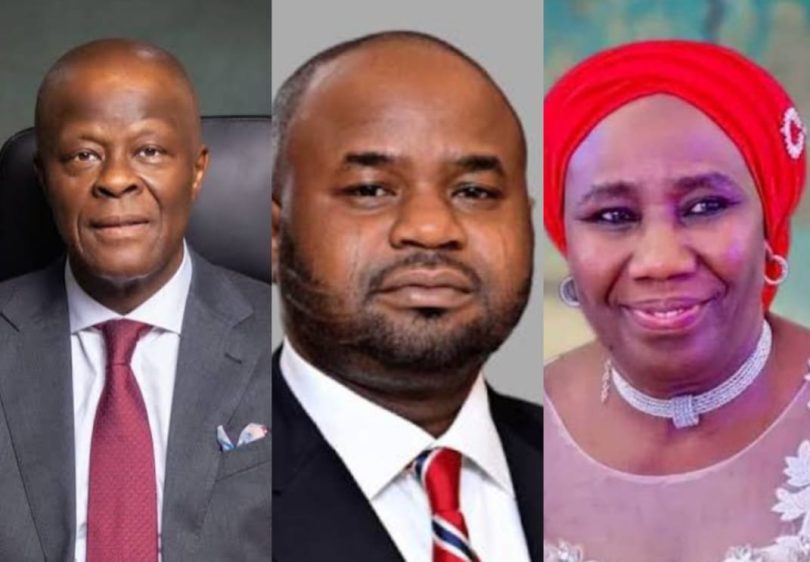
The revelations have also raised questions about the roles of former Minister of Finance and Coordinating Minister of the Economy, Wale Edun, former Permanent Secretary of the Federal Ministry of Finance, Lydia Shehu Jafiya, and the Executive Chairman of the Nigeria Revenue Service (NRS), Zacch Adedeji, who chairs the PCNGI Steering Committee.
There is, however, no finding in the documents reviewed by Naijaonpointestablishing that any of the three officials personally received funds or benefited financially from the contracts. Their alleged responsibility relates to oversight, approval and the institutional architecture surrounding the programme.
SBO Energy: Millions Paid Months After Incorporation
One of the companies highlighted in the documents is SBO Energy Limited, incorporated on October 9, 2023.
Approximately six months after its incorporation, the company reportedly received ₦532.98 million on May 6, 2024, for the supply of 3,000 CNG kits and cylinders.
Corporate records cited in the documents identify Olagbaiye Samuel Babafemi as an 80 per cent shareholder, alongside Adenaike Olumuyiwa, who holds the remaining 20 per cent.
The timing of the company’s incorporation and subsequent multimillion-naira contract has prompted questions about its capacity and previous experience to execute a major government CNG supply contract.
Biyaks Business Options: Multiple Payments Despite Compliance Concerns
Another company named in the documents is Biyaks Business Options Limited, which reportedly received several PCNGI-related payments.
The company allegedly received ₦846 million, representing 30 per cent of a ₦2.82 billion contract. It also reportedly received ₦564 million for another contract involving 5,000 CNG kits and ₦783.209 million on February 16, 2024, for another batch of 5,000 kits.
The reported payments put the company’s PCNGI-related receipts at approximately ₦2.19 billion.
The documents further allege that the company had failed certain tax and procurement compliance checks.
Corporate records cited in the material also show the addition of Bitrus John as a director and shareholder. The circumstances surrounding the restructuring of the company and the extent of the new director’s involvement have been raised as issues requiring further investigation.
Xarraca Synergy: Over ₦2.4bn in Reported Payments
Xarraca Synergy Limited, incorporated in May 2021, is another company listed in the documents.
It reportedly received ₦1.52985 billion under one contract and another ₦917.91 million on May 6, 2024, for 5,000 CNG conversion kits and cylinders.
The two payments amount to approximately ₦2.45 billion.
The company was also reportedly flagged over tax and procurement compliance issues.
Corporate records cited by the documents show that Siloko Emmanuel Waridouowei and Ajiamah Renua Mife were added as directors on December 29, 2022.
The circumstances surrounding the corporate restructuring and the individuals’ roles in the company are among the issues that would require clarification from the relevant authorities.
Silveredge Projects: Billions in Contracts Amid Tax Questions
The documents also identify Silveredge Projects Ltd, an older company that reportedly became a significant beneficiary of PCNGI contracts.
The company allegedly secured contracts valued at ₦3.666 billion, with the amount reportedly fully disbursed. Of that sum, ₦1.0998 billion was said to have been paid on June 26, 2024.
It also reportedly received ₦695.6 million on May 6, 2024, for 2,000 CNG-powered tricycles.
The company has reportedly faced tax compliance concerns.
The documents further state that Ademola Idris Idowu became a director on August 13, 2022, despite the company’s much earlier incorporation.
That corporate history has prompted questions over the ownership and control structure of the company before it emerged as a major PCNGI contractor.
The Bigger Question: How Were the Contracts Approved?
Taken together, the transactions cited in the documents raise questions about the due-diligence process applied before the contracts were awarded and payments released.
The concerns include the alleged use of companies with tax compliance issues, questions about procurement eligibility, relatively limited publicly visible track records in the CNG sector, and corporate restructuring involving individuals who reportedly assumed significant positions in some of the companies before or around the period of major government contracts.
The key issue is therefore not simply how much money was paid, but whether all statutory procurement, tax, technical-capacity and beneficial-ownership checks were properly completed before public funds were released.
Procurement and Fiscal Compliance Questions
The allegations have potentially serious legal and administrative implications if established.
The Public Procurement Act 2007 provides a framework for competitive procurement, evaluation of bidders and assessment of contractors’ technical and financial capacity.
Similarly, federal tax and fiscal administration rules require contractors to meet applicable tax obligations and demonstrate compliance before government contracts are awarded or payments made.
If companies were indeed declared ineligible or non-compliant during official government checks but subsequently received substantial public funds, questions would arise over how those compliance concerns were addressed or overridden.
The allegations also raise broader issues under anti-corruption and public-finance laws concerning the award of government contracts to entities that may not have satisfied prescribed requirements.
However, determining whether any criminal offence occurred would require a formal investigation and findings by the appropriate law-enforcement, procurement and judicial authorities.
Spotlight on Edun, Adedeji and Jafiya
The documents place particular attention on the institutional roles of former Finance Minister Wale Edun, NRS Chairman Zacch Adedeji, and former Finance Ministry Permanent Secretary Lydia Shehu Jafiya.
Adedeji’s position as chairman of the PCNGI Steering Committee makes his role particularly relevant to questions about programme oversight.
Edun, as the then Finance Minister and Coordinating Minister of the Economy, and Jafiya, as Permanent Secretary of the Finance Ministry, were also senior officials within the government’s financial administration structure during the period under review.
Naijaonpointhas not established from the documents reviewed that any of the three personally benefited from the payments.
Rather, the central question is whether the appropriate institutional safeguards were applied before billions of naira belonging to the Nigerian public were committed to the identified companies.
A Matter for Investigation
The scale of the payments and the compliance questions surrounding some of the beneficiaries make the matter one that deserves independent scrutiny.
The relevant agencies, including procurement authorities, tax authorities and anti-corruption bodies, may need to establish:
– How each company was selected;
– Whether competitive procurement procedures were followed;
– Whether valid tax-clearance documentation existed at the time of award and payment;
– What technical and financial-capacity assessments were conducted;
– Who the ultimate beneficial owners of the companies are;
– Why some companies reportedly flagged for compliance concerns were nevertheless paid;
– Who authorised the payments; and
– Whether the CNG kits, cylinders and tricycles covered by the contracts were actually supplied and delivered in accordance with the terms of the agreements.
Until these questions are independently answered, the reported transactions will continue to raise concerns over transparency and accountability in one of the Federal Government’s most important post-subsidy-removal interventions.
Naijaonpointunderstands that the individuals and institutions named in the allegations should be given the opportunity to respond to the specific claims and documents upon which the allegations are based.
Any response or clarification from Wale Edun, Zacch Adedeji, Lydia Jafiya, the PCNGI authorities or the companies mentioned will be published as appropriate.