
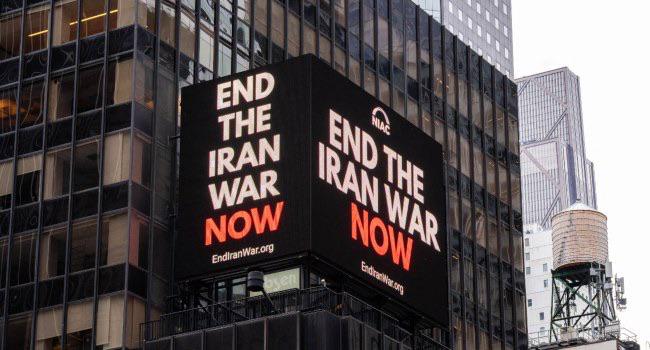
International leaders have intensified calls for restraint and renewed dialogue with Tehran as fresh hostilities threaten to collapse a fragile ceasefire across the Middle East.
The renewed diplomatic push follows a series of escalating confrontations involving Iran and the United States around the strategic Strait of Hormuz, alongside reported Iranian attacks on the United Arab Emirates — marking the first such incident since the truce was declared nearly a month ago.
Efforts to restart negotiations between Washington and Tehran have remained stalled, with the United States twice cancelling plans to send senior officials for talks in Pakistan. Meanwhile, Iran has maintained a firm stance, insisting it will not relinquish control over the critical waterway, through which roughly one-fifth of global oil supply once passed prior to the outbreak of hostilities in late February.
European leaders have joined in urging de-escalation. Friedrich Merz called on Iran to “return to the negotiating table and stop holding the region and the world hostage,” aligning with similar appeals from Emmanuel Macron and Keir Starmer. Saudi Arabia also backed diplomatic engagement, advocating for a political resolution to ease tensions.
On the military front, conflicting accounts have emerged. The United States claimed its forces destroyed multiple Iranian vessels, while Tehran denied the assertion, instead accusing Washington of causing civilian casualties at sea.
Tensions escalated further after the United Arab Emirates reported missile and drone attacks originating from Iran, describing the incident as “a dangerous escalation and an unacceptable transgression.” Authorities confirmed that an energy facility in Fujairah was struck, injuring three foreign nationals, while additional missiles were intercepted or fell into nearby waters. Drones were also reportedly launched at a tanker linked to Abu Dhabi National Oil Company.
An Iranian military official did not explicitly deny the strikes but suggested they were a consequence of U.S. actions in the region, accusing American forces of provoking instability to facilitate maritime passage through the strait.
Iran’s Foreign Minister, Abbas Araghchi, stressed the need for diplomacy, stating that ongoing clashes demonstrate there is “no military solution to a political crisis.” He also referenced mediation efforts by Shehbaz Sharif and warned against further escalation.
Meanwhile, Donald Trump has continued to press Iran to reopen the Strait of Hormuz. He recently unveiled a plan dubbed “Project Freedom,” aimed at facilitating the safe passage of neutral shipping vessels from the Gulf. However, details of the initiative remain unclear, and Iranian authorities have disputed U.S. claims that vessels have successfully transited the strait.
Reports of additional incidents, including damage to a South Korean vessel, have heightened concerns over maritime security. Data from shipping monitors indicate that hundreds of commercial vessels remain stranded in the Gulf amid uncertainty.
Despite downplaying the scale of Iranian attacks, Trump acknowledged the situation’s potential impact, as global oil prices surged sharply in response to the instability, adding to economic pressures worldwide.
Beyond the Gulf, tensions have also intensified in Lebanon, where a separate ceasefire between Israel and the Iran-backed group Hezbollah is showing signs of strain. Clashes between Israeli forces and Hezbollah fighters have resumed, with casualties reported on both sides.
Lebanon’s president, Joseph Aoun, has called for an end to Israeli military operations before engaging in any potential talks with Israeli Prime Minister Benjamin Netanyahu — a meeting that has reportedly been proposed by Washington as part of broader efforts to stabilise the region.
As tensions continue to rise, global leaders are warning that without urgent diplomatic intervention, the region risks sliding deeper into a prolonged and destabilising conflict.