
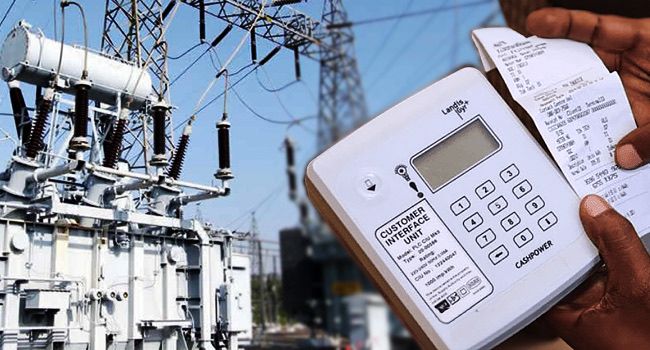
Lagos State has approved 14 electricity licences and permits covering off-grid generation, embedded generation, independent distribution networks, metering services, and interconnected mini-grid operations as part of efforts to strengthen power supply across the state.
The approvals were granted by the Lagos State Electricity Regulatory Commission during its first stakeholder engagement held earlier this week.
According to the Commission, the licensing initiative is intended to create a more organised electricity market capable of attracting investors while improving power stability for residents and businesses in Lagos.
Among the approved projects, Axxela Limited received approval for a 5.8MW off-grid power project to serve Cadbury Nigeria Plc in Agidingbi.
Daybreak Power Solutions Limited also secured several off-grid generation licences for facilities operated by Seven-Up, Nigerian Breweries, NBC, Crown Flour Mill, Nigerdock, and Promasidor.
In Isolo, Isolo Power Gen Limited was granted approval for a 9MW embedded generation project located along the Apapa-Oshodi Expressway.
The Commission also licensed Isolo Power Supply Limited as an Independent Electricity Distribution Network operator, while New Hampshire Capital, GossLink Engineering, and Enaro Energy Mini-Grid Limited received approvals related to metering and mini-grid services.
In a statement, LASERC described the approvals as one of the key regulatory milestones under Lagos State’s growing intrastate electricity market framework, aimed at expanding private sector involvement and improving electricity access in residential communities and industrial hubs.
The Commission said the approvals demonstrate its commitment to increasing private sector participation in electricity delivery across Lagos.
The licensing framework forms part of the state government’s broader plan to decentralise electricity supply through embedded generation projects, mini-grids, and independent distribution systems. The strategy is expected to boost electricity access in industrial and peri-urban communities while reducing pressure on the national grid.
LASERC added that the framework is designed to create a more efficient, competitive, and investment-driven electricity market within Lagos State.
The Commission disclosed that by 2030, it hopes to achieve 97.5 per cent electricity availability across Lagos while reducing market losses to below 10 per cent through a decentralised and performance-based electricity system.
As part of reforms scheduled to begin in 2026, LASERC plans to introduce two to three pilot 24/7 electricity franchise zones by October 2026 to test uninterrupted power supply districts.
The Commission also announced plans to roll out Grid Interface Guidelines and launch a 100 per cent metering initiative by July 2026. Consumer complaint centres are expected to open in phases beginning with Amuwo Odofin in August 2026, while Ikorodu and Epe centres are scheduled for September.
LASERC further revealed that the Electric Eye of Lagos (EEL) Programme, an AI-powered metering system, will be completed by August 2026, with pilot deployment expected in October of the same year.
In addition, draft market rules are expected to be released in October 2026 before final approval in December 2026. The Commission also plans to introduce regulatory sandbox guidelines to encourage innovation and greater private sector investment in the electricity sector.
Governor Babajide Sanwo-Olu constituted LASERC in 2024 after signing the Lagos Electricity Bill into law, establishing the state’s independent electricity m0arket framework.