
…trains 700 Oyo youths in AI, vocational skills
The Federal Government has begun expanding its National Poverty Reduction with Growth Strategy (NPRGS) across the country, targeting five million Nigerians for poverty reduction over the next four years. In Oyo State, 700 youths have been trained and equipped with vocational skills, digital devices and business starter kits.
The intervention, implemented through the Office of the Senior Special Assistant to the President on Technical, Vocational and Entrepreneurship Education (OSSAP-TVEE), is designed to address unemployment, bridge the skills gap and equip beneficiaries with the tools to establish businesses and participate in the digital economy.
The Oyo training programme, which ran from 28 September to 9 October 2026, culminated in a graduation ceremony on Friday at the Kensington Adebutu Hall, University of Ibadan, where participants received equipment intended to support their transition from training to income-generating activities.
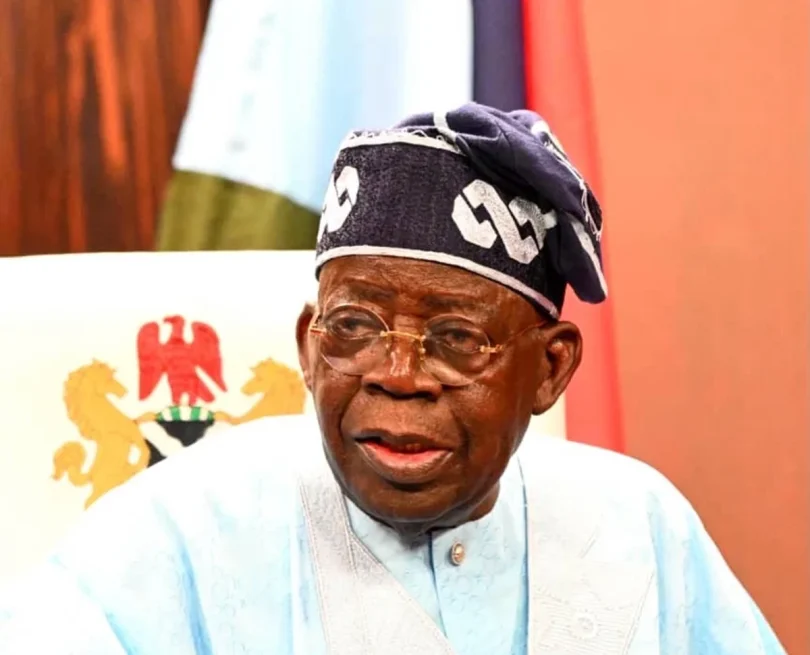
Speaking at the ceremony, the Senior Special Assistant to the President on Technical, Vocational and Entrepreneurship Education, Dr Abiola Arogundade, said the initiative reflected President Bola Tinubu’s determination to tackle poverty by creating opportunities for economic independence rather than relying solely on direct assistance.
“What we want to do, and what the President wants to do, is to move as many people out of poverty as possible.
“Mr President believes that our young people do not simply need assistance. They need opportunity. They need skills. They need the tools to compete and build sustainable livelihoods. And that is what today represents,” Arogundade said.
The presidential aide said the intervention was structured to equip young Nigerians with practical skills and the tools required to turn their knowledge into viable businesses as the Federal Government pursues its target of moving five million people out of poverty within four years.
Under the Oyo phase, 30 participants received specialised instruction in artificial intelligence (AI) and graphic design, while 85 were trained in make-up artistry and another 85 in fashion design.
A further 500 participants received digital devices to support their participation in the expanding digital economy.
The beneficiaries received laptops, make-up kits, sewing machines and digital tablets, depending on their areas of training and the nature of the support provided.
Arogundade urged the graduates to use the intervention to build sustainable livelihoods and extend the benefits of their training to other members of their communities.
“What you receive today is not the destination. It is the beginning. Take the skills you have learnt. Take the tools you have received, and build something with them.
“Don’t use it as a one-man solution or one-man empowerment. There’s a multiplier effect. Train your neighbours, train your community people, and also continue to impact and learn more,” she said.
The Federal Government’s strategy places particular emphasis on practical skills, entrepreneurship and digital capabilities. The latest intervention seeks to prepare beneficiaries for employment and self-employment in sectors where technology and specialised vocational knowledge are increasingly important.
The nationwide rollout is expected to extend the intervention beyond Abuja, where the initial pilot was conducted, and Oyo State. OSSAP-TVEE announced that subsequent phases would cover other geopolitical zones, with 1,200 participants targeted per phase and training tailored to the needs of different regions.
At the technical level, resource persons said the programme’s inclusion of artificial intelligence and vocational trades was intended to expose participants to opportunities in a changing labour market.
The keynote speaker and principal consultant, Mrs Oluronke Shonubi, said training young Nigerians in AI was important as major economies continued to integrate the technology into different sectors.
“Countries such as the United States and China are investing heavily in AI across sectors, including manufacturing, agriculture and the automobile industry,” Shonubi said.
She praised the government’s decision to expose young people to the technology, including its ethical application, saying such knowledge could widen their career options and create opportunities for entrepreneurship.
Similarly, the make-up artistry instructor, Rukayat Muhammad, said the skills acquired during the programme could provide beneficiaries with a route to financial independence if properly developed and marketed.
“Make-up artistry remains a marketable vocation, and beneficiaries can build successful businesses if they develop their skills and effectively market themselves,” Muhammad said.
She advised the trainees to regard the equipment provided by the government as an investment in their economic future and to use it to establish and grow their businesses.
Addressing the beneficiaries, the All Progressives Congress governorship candidate in Oyo State, Senator Sharafadeen Alli, said the training should serve as a foundation for economic independence. He encouraged them to embrace entrepreneurship, develop their competencies and use the knowledge gained to create employment opportunities for themselves and others.
He said initiatives that equipped young people with practical skills and the tools to establish businesses were important to tackling unemployment and reducing poverty. He stressed that the benefits of the intervention would be greater if the beneficiaries translated their training into viable enterprises.
“I urge all the beneficiaries to make the best use of this opportunity. The training and equipment provided are not just gifts; they are tools to build sustainable businesses, achieve financial independence and create employment for others.
“The real success of this programme will be measured by how many lives are positively impacted beyond today,” he said.
One of the beneficiaries, Olaleye Idowu, a 400-level International Relations student at the Federal University Oye-Ekiti, said the AI and graphic design training had introduced him to the fundamentals of the technology and its potential applications.
“The training introduced us to the fundamentals of AI, its applications, and its potential to make work more efficient,” Idowu said.
He said he hoped to become a professional AI prompt engineer within five years and pledged to create opportunities for others as his career progressed.
“In five years, I expect to become a professional AI prompt engineer, and I pledge to train and employ others as I develop my career,” he added.
Before the graduation ceremony, Arogundade led a presidential delegation on a courtesy visit to the palace of the Olubadan of Ibadanland, Oba Rashidi Ladoja, who described the programme as a positive intervention in efforts to reduce poverty and empower young people.
The monarch said initiatives that equipped beneficiaries with practical skills and opportunities to earn a living could help address socio-economic challenges at the grassroots.
“It’s a very good initiative, and we are very proud of Arogundade,” Ladoja said.
“I would also like to encourage many people in her position to emulate her, because this will go a long way in empowering people and reducing poverty in our society.”
The graduation ceremony attracted political figures and other stakeholders, including the APC governorship hopeful in Oyo State, Senator Sharafadeen Abiodun Alli, and his deputy, Hon. Michael Adesoji Adedeji.
Others present included the senator representing Oyo Central, Yunus Abiodun Akintunde; the Oyo State APC Women Leader and Tinubu Torch Bearers coordinator, Dr Adekemi Felicia Opatunde; and the South-West Federal Constituency coordinator, Hon. Folake Olunloyo-Oshinowo.