
By Mashe Umaru Gwamna
Women representing Uke in Karu Local Government Area and Abuni community in Awe Local Government Area have drawn the attention of the Nasarawa State House of Assembly to the perilous living conditions of locals in the mining axis in Abuni and Uke both of which contribute largely to the revenue base of the Nasarawa state.
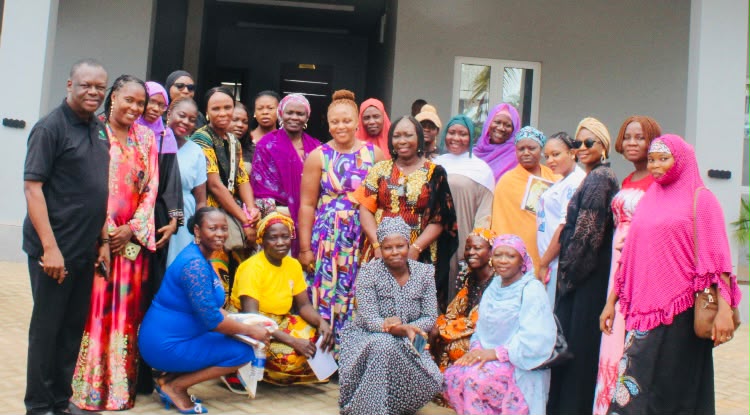
The women made the observation at a Capacity Building Engagement on Mining Impacts on Women which was held in Lafia, the state capital, on the auspices of the Child Health Organisation (CHO).
The women noted that in spite of the massive extraction of gold and lately lithium in the affected communities, they lack basic social amenities such as good roads, hospitals and schools for the teeming number of school age children.
They said that mining firms are making the lives of the people unbearable through their reckless extraction outside the approved sites, indiscriminate rock blasting which continues to shake the foundations of the communities and the environmentally unsound practice of channeling the waste water from the mines into farmlands or rivers.
According to them, in Awe town the Rafin Jaki (river) where locals fish has practically been poisoned and not fitting for human use due to the channeling of waste water into it, even as they revealed that the poisons from the wastewater channeled to the Rafin Jaki River may have been responsible for the deaths of nine children in 2023 after they came down with serious and unexplained illnesses after swimming in the water.
They explained that even after the incident, every attempt by the community people including the Concerned Awe Youths to get justice from the mining company involved met brick wall.
They maintained that in all of the incidents, women have been most impacted as their livelihood sources have been dislocated.
In the mining sites and surrounding communities, they alerted that the influx of foreigners who do not speak their language was now having negative impacts even on young girls reporting increasing cases of sexual harassment. There are also cases of young girls confronted with the offer of submitting their bodies in exchange for casual employment (transactional sex).
The fallout, they alleged are cases of unplanned pregnancies, sexual illnesses and mental health cases among girls in these communities.
Insecurity is also a huge burden they now bear occasioned by the presence of armed youths in the quarries who threaten members of the communities that attempt to stop them from ruining farmlands and buildings considered as impediments to their extractive activities.
They therefore demanded that the Nasarawa State House of Assembly should carry out a fact-finding visit to mining communities in Uke and Abuni and hear from the locals living around the sites to hear their lived experiences.
They also demanded an investigation of the growing cases of sexual harassment and exploitation of young girls in mining communities and establish mobile courts to prosecute those found wanting.
To ascertain the depth of pollution in the communities, they requested a comprehensive environmental audit of Abuni community, Uke district and environs including their source of water and farming environment.
For violators of the environment, they demanded a revoke of the mining license and recommended such firms take full responsibility for the clean-up and other remediation efforts on the environment and payment of compensation to impacted people. They also want therapy centers to be set up for victims of survivors of sexual and gender-based violence.
In the implementation of the work of the House, they asked it to ensure an adequate number of women are part of the processes to ensure their views are respected and their challenges addressed.
Some of the interventions at the capacity building training came from Philip Jakpor, the Executive Director of Renevlyn Development Initiative (RDI), Rahmat Oseze, an SDGs Advocate and Chenemi Peter of Shelter life environmental initiatives.
Earlier in her welcome, Vicky Onyekuru, ED of Child Health Organisation said that the convening was to give a voice to the women in the affected communities and ensure their demands are amplified to the highest levels of government.