
JUST IN: Nigeria Under Tinubu Again Missing From IMF’s 2026 Fastest-Growing African Economies
Nigeria remains outside the group of Africa’s fastest-growing economies for 2026, with the International Monetary Fund (IMF) projecting the country’s real GDP growth at 4.1 per cent, significantly below the rates recorded by several smaller African economies.
The IMF’s April 2026 World Economic Outlook puts Ethiopia at 9.2 per cent, Guinea at 8.7 per cent, Uganda at 7.5 per cent, Rwanda at 7.2 per cent and Benin at seven per cent, placing Nigeria’s projected growth well below the continent’s leading performers.
The projection comes despite the economic reforms introduced under Tinubu, including the removal of fuel subsidy, exchange-rate reforms and proposed tax changes, which the administration has repeatedly defended as necessary measures to stabilise the economy and put the country on a stronger growth path.
Tinubu, in his October 1 Independence Day address, described the difficult reform period as Nigeria having “crossed its own Red Sea” and said the country was entering an “age of prosperity.” The administration has also pointed to economic growth above four per cent, declining inflation from previous peaks, stronger foreign-exchange reserves and increased non-oil exports as evidence that the reforms are beginning to deliver results.
However, the IMF itself has acknowledged that, although the reforms have produced improved macroeconomic outcomes and greater resilience, economic conditions remain difficult for many Nigerians. The Fund estimated Nigeria’s 2025 growth at four per cent and projected 4.1 per cent growth for 2026, while also reporting significant poverty and food-insecurity pressures.
The World Bank’s latest Africa Economic Update has since raised its 2026 growth projection for the wider Sub-Saharan African region to 4.3 per cent, while warning that growth remains insufficient to substantially reduce poverty or generate enough jobs for the region’s rapidly expanding labour force.
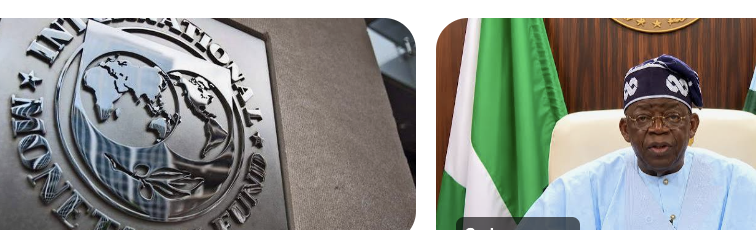
IMF and Bola Ahmed Tinubu
This has fuelled criticism from opponents of the Tinubu administration, who argue that the headline economic figures do not adequately reflect the conditions faced by households and small businesses. They contend that the gains being highlighted by the government remain largely macroeconomic and have yet to translate into broad improvements in living standards.
The contrast with faster-growing African economies has therefore become part of the wider debate over whether the sacrifices associated with Tinubu’s reforms are producing the level of economic expansion and improved welfare Nigerians were promised.