
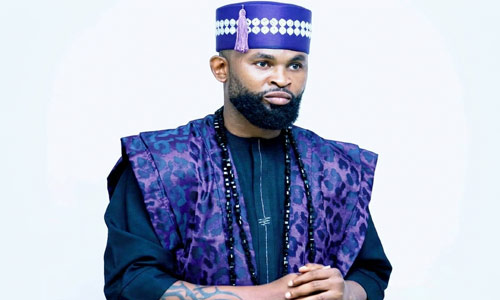
Chika Ekezie, an Imo State native living with HIV, has recounted how workplace rejection, family isolation and discrimination in church shaped his nine-year journey with the virus, saying he spent about seven years in denial without taking medication before eventually embracing treatment and public advocacy.
Ekezie said he discovered his HIV status after suffering recurring illnesses, including fever, fatigue, pneumonia, night sweats, severe headaches and weight loss.
According to him, he initially ignored the symptoms and repeatedly sought temporary relief from pharmacies until he eventually went to a hospital, where tests confirmed that he was living with HIV. He, however, cautioned that experiencing such symptoms does not automatically mean a person has HIV, stressing that testing remains the only way to know one’s status.
Reflecting on the period before his diagnosis, Ekezie admitted that he had multiple sexual partners and did not take sufficient precautions.
He said his diagnosis initially did not trouble him as much as the stigma that followed.
Ekezie recalled that while working with a magazine agency in Lagos, his employers became concerned about his frequent illnesses and gave him money to undergo medical tests.
He said that after presenting the results at about 10 a.m., he was informed by 4 p.m. that the company was renovating its premises and that he had to leave.
“That was my first experience of stigma. I boarded a night bus and left Lagos that same day,” he recalled.
According to him, his HIV status subsequently became known beyond the workplace after someone who had recommended him for the job was contacted.
He said the information spread quickly and had reached his mother before he arrived in Abuja.
The discrimination, he said, later affected members of his family. He recalled that some church members avoided his mother and excluded her from meetings, while some people allegedly went to his brother’s shop and withdrew clothes they had left there.
Ekezie said the virus itself was not as difficult for him as the treatment he received from people after they learnt about his status.
“The stigma was overwhelming. What I found difficult to deal with was not the virus itself but how people treated me because of it,” he said.
He also spoke about the dangers of remaining in denial following an HIV diagnosis, saying acceptance helped him recognise the need to take responsibility for his health and sexual behaviour.
Ekezie said there was a period when he continued living without treatment and later realised that unprotected sex not only posed risks to others but also exposed him to other sexually transmitted infections.
He eventually decided to begin treatment and become more careful about his health.
Ekezie said he has been living with HIV for nine years but kept his status secret for seven years while remaining in denial and not taking his medication.
His decision to speak publicly about his condition, he said, came after he was hospitalised and saw a social media video discussing the progression of untreated HIV.
Believing at the time that he might not have long to live, Ekezie said he decided to use whatever time he thought he had left to help others.
“If I am going to die, let me not die empty. Let me know that I helped a lot of people,” he recalled thinking at the time.
His outlook later changed after someone encouraged him to start taking his medication.
Ekezie said treatment restored his sense of hope and made him begin to see value in his life again.
He publicly disclosed his HIV status in November 2024 and has since used social media and media interviews to challenge misconceptions about the virus and encourage people living with HIV to seek treatment and speak openly about their experiences.
Ekezie said it took him less than a year after starting treatment to achieve an undetectable viral load.
He explained that being undetectable means the amount of HIV in the body has been reduced to a level that standard viral load testing cannot detect, adding that a person who consistently takes effective treatment and maintains an undetectable viral load cannot sexually transmit HIV.
He said the knowledge has given him peace of mind and helped him cope with the psychological burden associated with living with the virus.
Despite his progress, Ekezie said stigma continued to come from places where he expected support, including the church, home and healthcare settings.
He said he stopped attending church at one point because of discrimination, while some relatives distanced themselves from him.
According to him, some family members later apologised and restored their relationship with him, although he said misconceptions about casual transmission of HIV still persist among some people.
Ekezie identified the belief that HIV is automatically a death sentence as one of the most damaging misconceptions surrounding the condition.
He said untreated HIV can progress to AIDS and severely weaken the immune system, but maintained that people who remain on effective treatment can live healthy and productive lives.
He also rejected the notion that an HIV diagnosis means a person has failed in life, stressing that people living with the virus can still pursue careers, leadership positions and personal goals.
Ekezie said his decision to live openly on social media is aimed at showing that people living with HIV can look healthy and lead fulfilling lives when they have access to treatment and remain consistent with it.
Addressing people who have recently tested positive, Ekezie urged them not to allow the diagnosis to define their lives.
“Do not allow HIV to define your life. Take your medication, remain on treatment and allow yourself to live fully. HIV does not have to determine your future,” he said.
Post Title: “I Lived With HIV For Seven Years Without Treatment” — Chika Ekezie Recounts Workplace, Family And Church Stigma, Says HIV Is Not A Death Sentence By Naijaonpoint.