
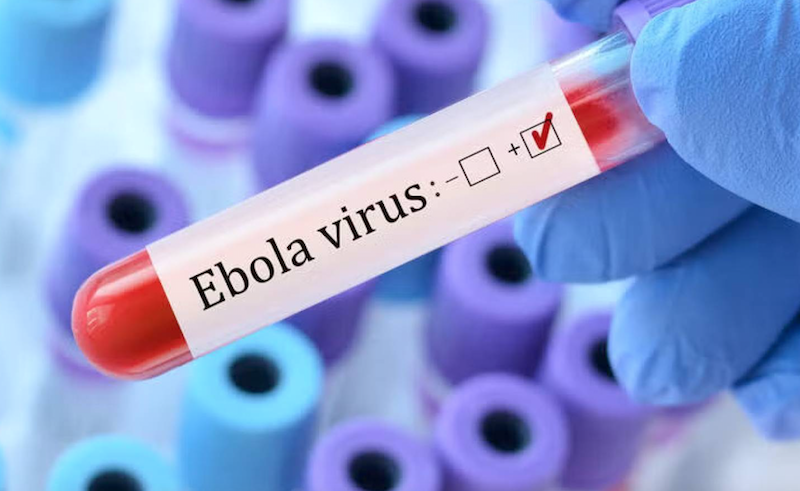
The Federal Government has urged Nigerians to practise self-care, including regular hand hygiene and appropriate disinfection, to support efforts to contain Ebola virus disease following confirmation of an imported case in Abuja.
The Minister of State for Health and Social Welfare, Dr Iziaq Salako, made the call on Tuesday in Abuja at the inaugural National Self-Care Conference 2026, themed “Self-Care Puts Your Health in Your Hands: Test. Track. Thrive.”
Salako emphasised the importance of individual responsibility in preventing and controlling infectious diseases, urging Nigerians to adopt healthy practices and cooperate with public health officials to contain Ebola.
“Let me emphasise that self-care is also important in the prevention and control of infectious diseases, including Ebola viral disease, which Nigeria is currently working hard to contain, following one imported case that was reported.
“I therefore use this opportunity to call on the Nigerian public to observe self-care, like hand hygiene, appropriate disinfection, and cooperate fully with public health officials to contain the reported Ebola in this case,” he said.
He said self-care empowered people with the knowledge, skills and tools to take charge of their health while extending healthcare beyond hospitals and clinics into homes, workplaces and communities.
According to him, self-care complemented professional healthcare rather than replacing it or absolving the government of its responsibility to provide accessible, affordable and quality health services.
“As government, therefore, we will continue to promote investment in health facilities, skilled personnel, essential medicines, and functional referral systems,” he said.
Salako said self-care could strengthen primary healthcare, advance universal health coverage and improve outcomes in maternal and reproductive health, non-communicable diseases and mental well-being.
He explained that “Test” encouraged people to establish their health status, “Track” promoted consistent monitoring of health indicators and treatment adherence, while “Thrive” represented the goal of healthier individuals, stronger families and more resilient communities.
The minister urged state governments to integrate evidence-based self-care into health policies and programmes, while calling on healthcare professionals to guide its safe use and development partners to support sustainable financing and capacity development.
The Special Adviser to the President on Health, Dr Salma Anas, said self-care should be promoted alongside effective regulation, quality services and accountability to prevent unsafe practices and ensure people received appropriate support.
Anas said the Federal Government remained committed to achieving universal health coverage without leaving anyone behind while maintaining the quality of healthcare services.
She cited contraceptive self-injection as an example of an intervention that promoted independence and autonomy in family planning.
The presidential adviser cautioned against interpreting self-care as government withdrawal from its healthcare responsibilities.
“You can take responsibility, because you have to acknowledge you are sick and acknowledge what you can do within the comfort of your home before you even reach the health services,” she said.
Anas also emphasised the importance of community participation, appropriate regulation and accountability in implementing self-care interventions.
Dr Mary Brantuo, Coordinator, Strategic Health Policy and Planning at the World Health Organization (WHO), described the conference as a demonstration of Nigeria’s commitment to empowering people to take greater control of their health.
She said self-care could help address gaps in access to services amid persistent challenges involving maternal and child mortality, unmet family planning needs, infectious diseases and non-communicable diseases.
“Self-care is not about replacing health systems, but is rather about extending the reach of health systems and empowering people with the knowledge, tools, and confidence they need to make informed decisions about their health,” Brantuo said.
She identified HIV self-testing, contraceptive self-injection and self-monitoring as interventions that had demonstrated their value and acceptability in Nigerian communities.
The Group Chief Executive Officer of the Society for Family Health (SFH), Dr Omokhudu Idogho, said self-care required accurate information, quality products, affordable services and access to professional care.
Represented by Mr Emeka Okafor, Group Director, Population, Health and Community Systems, Donor-Funded Portfolio Directorate, Idogho said people made health decisions in their homes, pharmacies and communities.
He added that people also made health decisions through their phones, making reliable information and appropriate services in those spaces essential.
Idogho said SFH was using telemedicine through its Access Care initiative to bring professional advice closer to people facing distance, transport costs, time constraints and privacy concerns.
He added that the organisation’s Co-Elevate initiative highlighted the need for investment and partnerships to make technology-driven self-care services sustainable and accessible to underserved populations.
Idogho said data should be used to assess who accessed self-care services, who remained excluded and whether users received appropriate follow-up care.
Self-care is the ability of individuals, families and communities to promote health, prevent disease, maintain health and cope with illness and disability, with or without support from a healthcare provider.
Self-care interventions include contraceptive self-injection, HIV self-testing, human papillomavirus self-sampling, blood pressure checks and appropriate self-monitoring of health conditions.