
By Dr. Jumai Ahmadu
The Federal Capital Territory Administration (FCTA) is making significant strides in its holistic development agenda with the construction of two ultra-modern multi-event sports centres, designed to tackle youth restiveness while boosting economic growth and social cohesion across Abuja.
Approved during the 11th FCT Executive Council Meeting in December 2024, the projects represent a strategic shift in the administration’s approach to urban development, recognising sports as a powerful catalyst for youth empowerment, public health, and community security.
Construction of the first flagship centre commenced in Kafe District on September 1, 2025, with both facilities now approaching completion at remarkable speed—a testament to the FCTA’s commitment to delivering quality infrastructure without delay.
World-Class Facilities for All
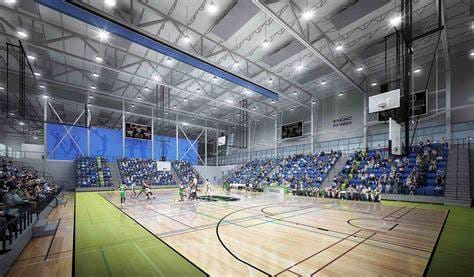
Designed to meet international standards, each centre will boast football pitches, lawn tennis courts, table tennis arenas, indoor sports halls, and ancillary recreational amenities. These additions will substantially expand the capital’s sporting infrastructure, complementing existing venues such as the Moshood Abiola National Stadium, the Area 3 Sports Centre, and the Old Parade Ground.
Strategic Investment in Youth Development
Beyond their physical magnitude, these facilities represent a deliberate investment in Abuja’s future. They will serve as incubators for grassroots talent, offering thousands of young people safe, structured environments to channel their energy into productive pursuits. Promising athletes who might otherwise remain undiscovered will now have platforms to hone their skills and compete at national and international levels.
Economic Multiplier Effect
The economic implications are equally transformative. The centres will generate direct employment for coaches, referees, fitness instructors, physiotherapists, maintenance crews, and event organisers, alongside indirect opportunities for small businesses—including food vendors, transport operators, equipment suppliers, and hospitality establishments. This ripple effect will stimulate local economies and position Abuja as a preferred destination for regional and international sporting events, driving sports tourism and enhancing the city’s global profile.
Social Cohesion and Security Dividend
Perhaps the most compelling impact lies in the social realm. Research consistently demonstrates that structured youth engagement through sports dramatically reduces crime, drug abuse, and anti-social behaviour. By providing mentorship, fostering discipline, and promoting teamwork, these centres will help dismantle the conditions that breed cultism, gang activity, and restiveness. They will also create inclusive spaces where families and communities can interact, strengthening civic bonds and building safer neighbourhoods.
Aligned with National Vision
This initiative aligns seamlessly with President Bola Ahmed Tinubu’s Renewed Hope Agenda, which champions sports as a vehicle for national development and economic diversification. It underscores the FCTA’s broader philosophy under Honourable Minister Barrister Nyesom Wike—that a capital city’s greatness is measured not merely by its roads and bridges, but by the opportunities it affords its people to thrive.
As these landmark facilities near completion, they stand as enduring symbols of an administration committed to building a healthier, safer, and more prosperous Abuja—where infrastructure serves as the foundation for lasting social progress and inclusive growth.
—
Dr. Jumai Ahmadu is Director, Reform Coordination and Service Improvement Department, FCTA.