
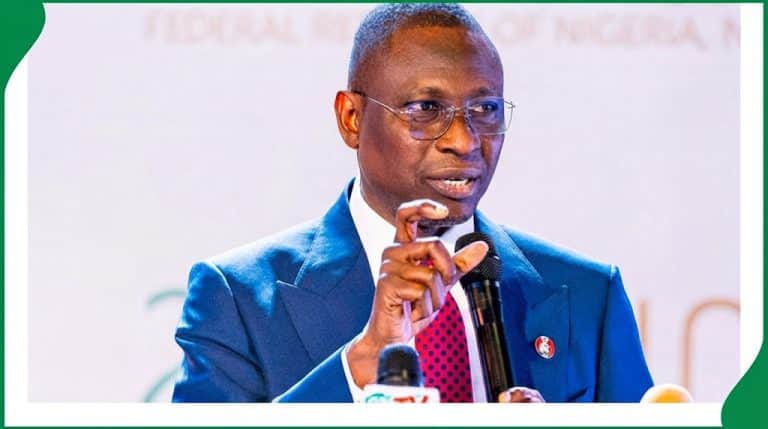
The Executive Chairman of the Economic and Financial Crimes Commission (EFCC), Ola Olukoyede, has urged pastors and imams across Nigeria to make anti-corruption messages a regular part of their religious teachings.
Olukoyede made the call on Wednesday, September 23, 2026, in Abuja at the second 2026 Council Meeting of the Nigeria Inter-Religious Council (NIREC), where the Anti-Corruption Interfaith Manual for religious leaders was launched.
Speaking on the theme, “Shared Sacred Flourishing in Nigeria,” the EFCC chairman said corruption undermines the wellbeing of Nigerians by turning public resources into private benefits.
He said religious leaders have an important role to play in restoring the moral value of honest living and discouraging their followers from fraudulent activities.
Olukoyede stressed that corruption and financial crimes do not have religious or ethnic identities.
“Financial crime has no religion. Corruption has no tribe. Fraud does not become Christian or Muslim because of the identity of the person accused,” he said.
He noted that the consequences of corruption affect Nigerians across religious and ethnic lines, citing challenges such as poorly equipped hospitals, bad roads, unemployment and inflation.
The EFCC chairman disclosed that the commission had, over the years, engaged Christian and Muslim leaders in developing an Inter-Faith Manual containing religious teachings on corruption.
He urged pastors and imams to make use of the manual in educating their followers on the dangers of corruption and financial crimes.
Olukoyede also highlighted the complementary roles of law enforcement and religious institutions in combating corruption.
He said while the EFCC investigates and prosecutes financial crimes, religious institutions could influence the character and values of their followers and help prevent corrupt behaviour.
He further urged churches and mosques to challenge the culture of celebrating unexplained wealth without questioning its source.
Speaking at the event, NIREC Executive Secretary, Professor Cornelius Afebu Omonokhua, said the manual was developed through the Interfaith Anti-Corruption Advisory Committee (IAAC) of the EFCC.
He said the second edition of the anti-corruption preaching and teaching manual, alongside facilitators’ guides for Christians and Muslims, was designed to help religious leaders promote peaceful coexistence and strengthen the fight against corruption.
Omonokhua commended Olukoyede for supporting the initiative, describing the manual as an important guide for anti-corruption preaching and teaching within religious institutions.