
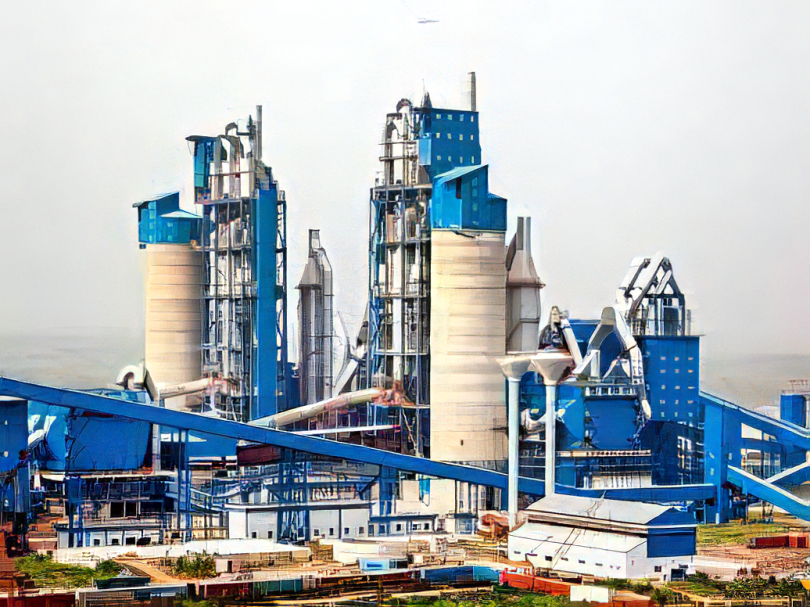
Dangote Cement Plc has unveiled ambitious plans to boost its production capacity to 80 million tonnes per annum (MTPA) by 2030 while reducing its carbon dioxide emissions intensity by 20 percent.
The company is strengthening its position as Africa’s leading cement exporter through expanded port infrastructure and capacity expansion programmes.
This move supports Dangote Group’s Vision 2030 ambition of building a globally competitive industrial powerhouse rooted in sustainability and innovation.
Speaking at the company’s 17th Annual General Meeting in Lagos, Emmanuel Ikazoboh, chairman of Dangote Cement, highlighted the company’s commitment to sustainable industrialisation.
“As we build Africa’s largest and most sustainable cement business, we are creating a platform for long-term growth, resilience, and shareholder value,” Ikazoboh said.
The company has made significant progress in human capital development and social impact, creating 625 direct green jobs and increasing social investment spending by 56 percent. Graduate trainee recruitment rose by 74 percent, underscoring the company’s commitment to nurturing African industrial talent.
Dangote Cement has also invested N2.1 billion in employee training and development, reinforcing its ambition to become the employer of choice in its operating countries. The company is fostering a high-performance and inclusive workplace culture.
Read also: https://businessday.ng/real-sector/article/textile-sector-recovery-hinges-on-investment-not-import-ban-alone/#google_vignette
On climate action, Dangote Cement reported a 6.5 percent reduction in CO₂ emissions intensity from its 2021 baseline. The company is transitioning to cleaner transportation, with plans to run all fleet trucks on Compressed Natural Gas (CNG) by 2027 and introduce electric trucks in 2026.
The company’s sustainability efforts have earned it improved ESG ratings from internationally recognized disclosure bodies such as the Carbon Disclosure Project (CDP). Dangote Cement scored a B in climate and water security disclosures.
Ikazoboh emphasized that sustainability is at the core of the company’s business strategy. “Our sustainability strategy is not separate from our business strategy—it is the foundation upon which we will achieve Vision 2030,” he said.
In the governance space, Dangote Cement enhanced its ESG risk management framework through the onboarding of an Artificial Intelligence risk management policy, biodiversity, disability Inclusion policy and the integration of 297 local vendors into its ESG-focused supply chain programme.
Amid excitement from the shareholders, he noted that sustainability governance has matured significantly over the past decade, with executive accountability mechanisms, climate risk oversight and ESG performance management now firmly embedded within operational and strategic decision-making processes.
He also spoke about the circular economy and biodiversity, highlighting major achievements in resource stewardship and environmental conservation.
According to him, Dangote Cement has intensified the expansion of its DangCircular initiative, which promotes waste reduction, recycling and circular economy practices across its operations.
“The company co-processed more than 437,000 tonnes of waste as alternative fuel, reducing dependence on conventional fossil fuels while improving resource efficiency.”
Africa’s leading Cement manufacturer said it remains committed to driving positive change by combining industrial expansion with responsible business practices, reinforcing its position as a key driver of Africa’s infrastructure development, economic transformation and environmental stewardship.
As Dangote Cement accelerates its transition toward a low-carbon, technology-driven and export-led business model, he said the company remains well-positioned to deliver sustainable long-term value for shareholders.
Ikazoboh said, “As we build Africa’s largest and most sustainable cement business, we are creating a platform for long-term growth, resilience and shareholder value. Our sustainability strategy is not separate from our business strategy—it is the foundation upon which we will achieve Vision 2030.”
“We invite investors to join us as we expand our footprint, deepen our export leadership, and shape the future of sustainable industrialisation across Africa.”