
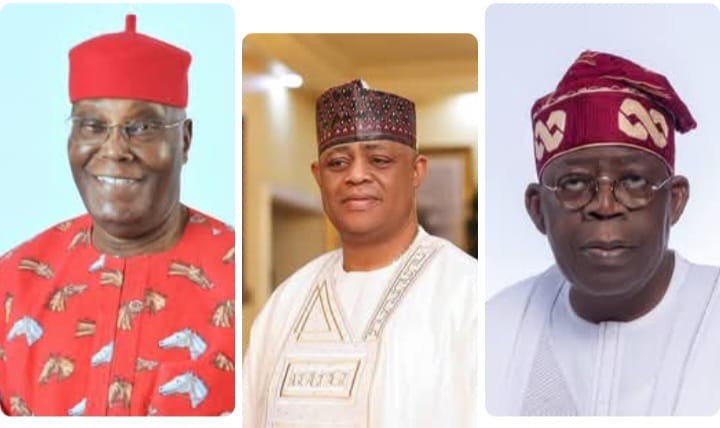
Paul Ibe, media adviser to former Vice President Atiku Abubakar, has responded to criticism from High Commissioner-designate to South Africa, Femi Fani-Kayode, over Atiku’s reference to President Bola Ahmed Tinubu as “Bola” during his October 1 Independence Day address.
Fani-Kayode had criticised Atiku in a social media post, arguing that repeatedly referring to the President by his first name was disrespectful. He also accused the former vice president of betraying former President Olusegun Obasanjo and disrespecting former President Goodluck Jonathan.
Responding, Ibe dismissed the criticism over Atiku’s use of Tinubu’s first name, arguing that Nigeria is a republic and that the presidency does not prevent political opponents from criticising the occupant of the office.
Ibe further defended Atiku against Fani-Kayode’s claims about his relationship with Obasanjo, stressing that Atiku served as vice president rather than as a subordinate in Obasanjo’s household.
He also disputed the claim that Obasanjo once knelt before Atiku while seeking a second presidential term, saying Atiku had denied the account and that the incident remains a matter of historical dispute.
On Atiku’s previous description of former President Goodluck Jonathan as inexperienced, Ibe said the remark was a political assessment. He also argued that former political rivals later working together should be viewed as part of coalition-building.
Addressing the controversy surrounding the 2022 killing of Deborah Samuel in Sokoto State, Ibe said Atiku had condemned the killing, while maintaining that a social media post initially published in his name was not authorised.
The media adviser said Atiku’s October 1 address was primarily focused on issues affecting Nigerians, including food prices, petrol affordability, electricity, insecurity and living conditions under the Tinubu administration.
He maintained that these issues, rather than disagreements over forms of address, should remain central to political debate as Nigeria approaches the 2027 general elections.