
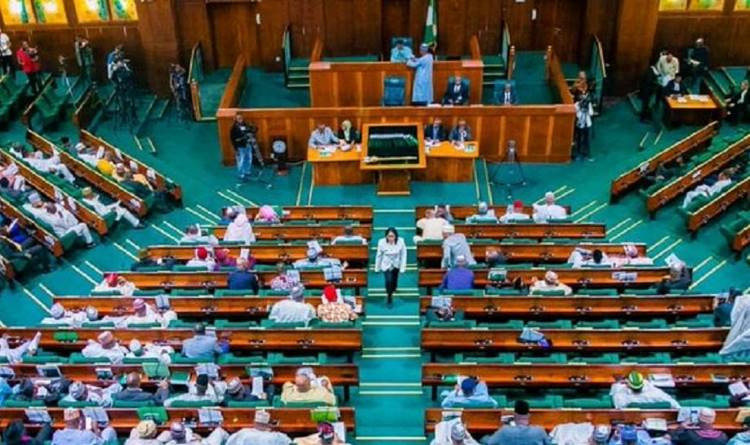
The house of representatives on Thursday rejected a proposal seeking the suspension of Nigeria’s diplomatic relations with South Africa over the renewed wave of xenophobic attacks targeting Nigerians and other African nationals.
The proposal was dismissed during the consideration of a motion sponsored by Yusuf Gagdi, chairman of the house committee on navy, who condemned the recurring attacks and urged the Federal Government to take stronger diplomatic measures to protect Nigerian citizens.
Moving the motion, Gagdi lamented that despite years of diplomatic engagement between both countries, Nigerians in South Africa continued to face killings, unlawful arrests, displacement, destruction of businesses and other forms of violence.
He recalled Nigeria’s pivotal role in supporting South Africa’s struggle against apartheid through diplomatic, financial and political backing, describing the continued attacks on Nigerians as disturbing.
The lawmaker also argued that the recurring violence and inflammatory comments by some South African public officials undermine African unity, regional integration and peaceful coexistence.
Gagdi urged the federal government to push for an independent, transparent and internationally monitored investigation into the killings of Nigerians and other African victims to ensure those responsible are identified and prosecuted.
He also called for a comprehensive review of Nigeria’s bilateral relations with South Africa and, where necessary, the suspension of cooperation between both countries.
During the debate, Billy Osawaru (APC, Edo) accused South African security agencies of failing to protect Nigerians and proposed an amendment urging Nigeria to sever diplomatic ties with South Africa.
He argued that Nigeria must adopt a tougher stance, saying the country should no longer appear weak in responding to repeated attacks on its citizens.
Kayode Moshood (APC, Lagos) noted that Nigeria committed substantial financial and diplomatic resources to South Africa’s anti-apartheid struggle, while Okey-Joe Onuakalusi (NDC, Lagos) called for the names of Nigerians killed in South Africa to be compiled and presented before the International Criminal Court.
However, when Benjamin Kalu, deputy speaker put the proposal to cut diplomatic relations to a voice vote, the House rejected it.
Kalu said although Nigeria possesses the capacity to respond firmly, diplomatic engagement remains the preferred option in addressing the recurring attacks while pursuing justice for affected Nigerians.