
House of Representatives to Investigate Alleged Abuse of Free Trade Zone Privileges by Chinese Firms in Ogun Guangdong FTZ
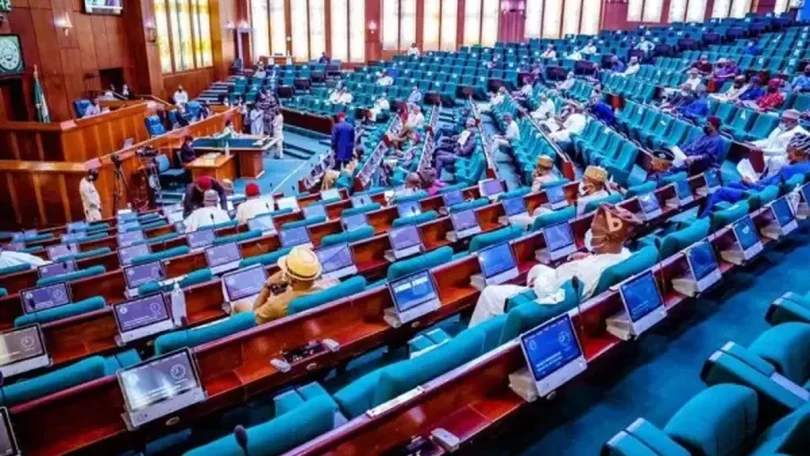
The House of Representatives on Wednesday unveiled plans to analyze the alleged abuse of Free Trade Zone privileges, lack of income and unfair competition from the operations of Chinese companies in Ogun Guangdong Free Trade Zone, Ogun State.
The decision was handed following the adoption of a motion sponsored by Hon. Rabiu Yusuf, who expressed grave concern over the breach of the Free Trade Zone scheme beneath the Nigeria Export Processing Zones Act, which was established to promote export-oriented industrialisation, attract international direct investment, encourage technology transfer, generate employment, diversify the economy and improve Nigeria’s international trade earnings.
The lawmaker who called for the House intervention, nevertheless acknowledged that the Ogun Guangdong Free Trade Zone in Ogun State is a designated Free Trade Zone in Nigeria, operating beneath the regulatory supervision of the Nigeria Export Processing Zones Authority (NEPZA), with the target of promoting manufacturing, industrial growth, international commerce and investment.
He stated: “The House is conscious that the privileges and incentives granted to enterprises working inside Free Trade Zones are particular statutory concessions intended to encourage export-oriented manufacturing, investment and economic growth and not to provide opportunities for the abuse of fiscal incentives or the circumvention of Nigeria’s customs and revenue laws.
“The House is anxious that Hayat Kimya Nigeria Limited, an enterprise working within the Ogun Guangdong Free Trade Zone, Ogun State, raised concerns concerning the alleged actions of three Chinese owned companies manufacturing sanitary products within the Free Trade Zone.
“The House is worried that according to the complaints, the three companies allegedly channel almost one hundred percent of their manufactured sanitary products into the Nigerian Customs Territory for domestic consumption, rather than undertaking the export-oriented activities for which the Free Trade Zone scheme was established, thereby raising severe questions about their compliance with relevant customs, taxation and regulatory requirements.
“The House is also conscious that Part 17 of the Nigeria Export Processing Zones Act provides that the export of products from a Zone into the Customs Territory shall, except as otherwise prescribed, be subject to the same customs and licensing requirements applicable to goods imported from other countries.
“The House is further conscious that Sections 134 and 137 Nigeria Customs Service Act, 2023 provide for customs supervision of Free Trade Zones and require goods admitted from a Special Economic Zone into the Customs Territory to undergo the appropriate customs procedures, including the payment of applicable duties, customs duties and charges.
“The House is cognisant that the Nigeria Export Processing Zones Investment Procedures, Regulations and Operational Guidelines require products manufactured, assembled or pre-packaged within Free Trade Zones and sold into the Customs Territory to be registered and subjected to applicable tariffs and other fees prescribed by the appropriate authorities.
“The House is also cognisant that the Nigeria Tax Act, 2025, particularly the Second Schedule, establishes specific tax conditions for enterprises operating in export processing and free trade zones, including the 25 percent threshold for sales into the Nigerian Customs Territory for purposes of the full income tax exemption, and provides for taxation of income attributable to sales into the Customs Territory where the threshold is exceeded.
“The House is disturbed that any alleged failure by the companies concerned to comply with applicable customs procedures could result in substantial revenue losses to the Federal Government and confer an undue competitive advantage on the companies over similar sanitary products producers operating outside the Free Trade Zone system, including Hayat Kimya Nigeria Limited and such practices may weaken local manufacturing, discourage genuine investors and defeat the objectives of the Federal Government’s industrialisation and revenue-generation policies,” he noted.
To this end, the House urged Federal Government to strengthen monitoring, stock management, production verification and customs surveillance mechanisms within all Free Trade Zones in Nigeria to prevent the abuse of statutory incentives and ensure that enterprises operating within the Zones fulfil their obligations under the law.
The lawmakers also tasked Federal Government on the need to ensure that all enterprises operating within Free Trade Zones enjoy the same statutory privileges and are subjected to the same regulatory compliance requirements, without discrimination, while ensuring that companies operating outside the Zones system are not exposed to unfair competition arising from the abuse of Free Trade Zone incentives.
Subsequently, the House mandated the joint Committees on Commerce and Customs and Excise to investigate the allegations and establish the extent of compliance by the companies concerned with the applicable statutory, regulatory and operational requirements governing Free Trade Zone enterprises in Nigeria; and examine the implications of the alleged practices for Nigeria’s international trade and investment commitments, particularly the principles of fair competition, transparency, non-discrimination and protection of legitimate investments.
The joint Committees are also expected to determine whether current regulatory arrangements adequately safeguard Nigeria’s national economic interests, and cause the relevant regulatory authorities to take appropriate enforcement measures, including restoration of outstanding statutory revenue, penalties and other sanctions as provided by law, without prejudice to the rights of the companies concerned and report within four weeks for further legislative action.