
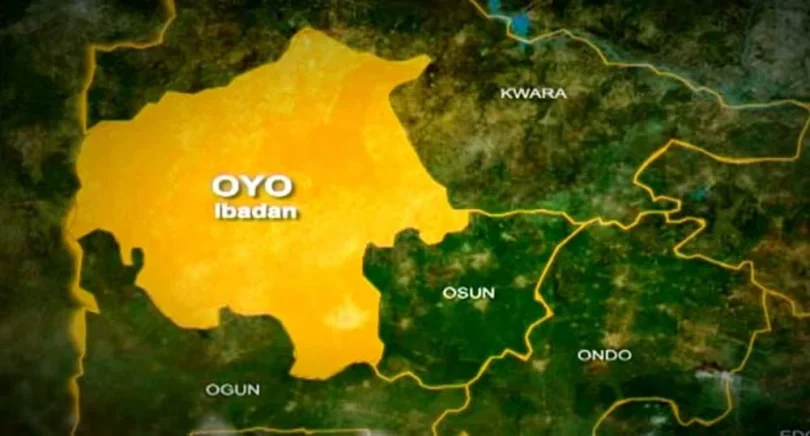
The Oyo State Government has inaugurated a Technical Working Group on Climate and Health (TWG) to strengthen the state’s preparedness and response to the growing health challenges associated with climate change.
The group was inaugurated on Wednesday by the Ministry of Health at its conference room, the secretariat, in Ibadan.
Speaking at the event, the Commissioner for Health, Dr Oluwaserimi Ajetunmobi, said climate change had moved beyond an environmental concern to become a major public health challenge with direct consequences for residents.
Ajetunmobi said changing temperatures, rainfall patterns, and extreme weather events were already contributing to heat-related illnesses, flooding, drought, vector- and water-borne diseases, respiratory conditions, and food insecurity.
“In Oyo State, we are already witnessing some of these effects through rising temperatures, irregular rainfall, flooding, and environmental degradation, all of which have implications for the health and well-being of our people,” she said.
The commissioner explained that the TWG was a multi-sectoral body comprising representatives of relevant Ministries, Departments,, and Agencies (MDAs); technical experts; the World Health Organization (WHO); UNICEF; the Nigerian Meteorological Agency (NiMet); academia; and other development partners.
She said the group would provide technical guidance and support for coordinated planning, risk assessment, evidence generation, preparedness, and response to climate-related health threats.
According to her, the TWG would also facilitate the integration of climate considerations into health policies, programs, and service delivery across the state while helping to ensure the continuity of essential health services during climate-related emergencies.
Ajetunmobi stressed that building a climate-resilient health system required collaboration beyond the Ministry of Health, urging relevant MDAs, development partners, academics, civil society organizations, private sector operators, and communities to actively participate in the initiative.
She charged members of the working group to bring their expertise and institutional support to bear on efforts to protect residents from the health consequences of a changing climate.
The Permanent Secretary of the Ministry of Health, Dr Akintunde Ayinde, represented by the Director of Tertiary Health Care Services, Dr Idris Fasasi, described the inauguration as a major step towards moving the state from reacting to climate-related emergencies to proactive prevention, preparedness, and resilience.
Ayinde said climate change had become a health, development, and equity issue, with consequences including flooding, drought, food insecurity, malnutrition, infectious diseases, injuries, displacement, psychological distress, and extreme heat.
He said the working group would identify climate-related health risks, develop vulnerability profiles, and strengthen disease surveillance and early-warning systems.
Other responsibilities, he said, would include improving community awareness and emergency preparedness, mobilizing sustainable financing, integrating climate-health considerations into government policies and budgets, and promoting climate-resilient health facilities with reliable energy, safe water, sanitation, and waste management systems.
The Permanent Secretary called for greater attention to vulnerable groups, including children, pregnant women, older persons, persons with disabilities, people living with chronic illnesses, low-income households, farmers, outdoor workers, and residents of flood-prone communities.
He also advocated stronger research collaboration with the University of Ibadan and other institutions to generate evidence and develop solutions suited to the state’s climate-related health challenges.
“Success will not be measured by the number of meetings or reports produced, but by whether our people become safer and our health system more resilient,” he said.
“We must use climate information to guide public health decisions and protect vulnerable communities before disasters occur.”
Earlier, the Director of Public Health, Dr Olaniyan Babatunde, appreciated stakeholders for their participation and urged members of the TWG to remain committed and proactive in carrying out their responsibilities.
The inauguration was attended by directors, representatives of relevant MDAs, technical experts, development partners, and other stakeholders in the health and climate sectors.