
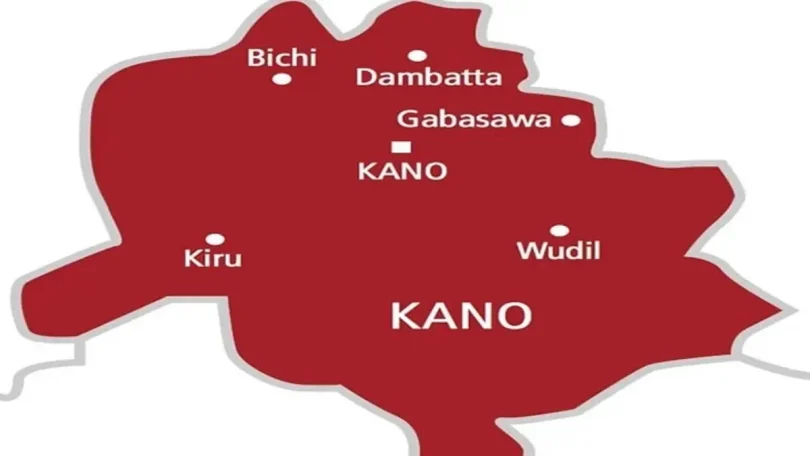
Humanitarian medical organisation Médecins Sans Frontières (MSF)/Doctors Without Borders has concluded its three-year emergency response to the diphtheria outbreak in Kano State after supporting the administration of more than 835,000 vaccine doses to children in collaboration with the Kano State Ministry of Health.
The organisation announced the conclusion of its intervention on Monday, saying the mass vaccination campaign marked the end of its emergency response to one of Nigeria’s largest recorded diphtheria outbreaks.
According to MSF, the response, which began in early 2023, saw more than 14,707 children treated at MSF-run and supported treatment centres through both facility-based and home-based care.
Beyond treatment, the organisation said it strengthened referral systems, disease surveillance, data management, community engagement and vaccination campaigns aimed at curbing the spread of the disease.
MSF said two rounds of vaccination conducted with the Kano State Ministry of Health resulted in 835,028 children receiving diphtheria vaccines.
The second round, held between June 20 and 24, 2026, reached 486,948 children across 20 wards, following the first round, which vaccinated 348,080 children and ended on April 27.
MSF Project Coordinator for Kano, Abdoul-Aziz Djibrilla, said although the outbreak had eased significantly, diphtheria remained a major threat to children in the state.
“Kano experienced a critical diphtheria outbreak that placed enormous pressure on families, healthcare workers and health facilities,” Djibrilla said.
“Although the number of cases has declined in recent months, mainly due to mass vaccination campaigns, the disease remains a serious health threat to children in Kano, driven by low immunisation coverage, overcrowding, delayed healthcare-seeking and malnutrition.”
Kano has been among the states hardest hit by Nigeria’s ongoing diphtheria outbreak. According to the Kano State Ministry of Health, the state recorded more than 31,900 suspected cases and over 1,260 deaths, mostly among children, between March 2022 and March 22, 2026.
The figures account for a significant share of the 65,759 suspected cases and 2,229 deaths reported nationwide by the Nigeria Centre for Disease Control (NCDC) during the same period.
MSF noted that the outbreak primarily affected children aged five to 14 years, many of whom had not received complete routine immunisation.
The organisation attributed the continued spread of the disease to low vaccination coverage, overcrowded living conditions, delayed healthcare-seeking and limited access to quality medical services.
At the height of the outbreak between late 2025 and early 2026, MSF said health facilities were admitting more than 100 children daily for diphtheria treatment, with bed occupancy exceeding available capacity and healthcare workers overwhelmed by demand.
Despite the decline in infections following the vaccination campaigns, MSF warned that immunity gaps remain and thousands of children are still at risk.
Djibrilla called for sustained investment in routine immunisation, disease surveillance and access to treatment to prevent future outbreaks.
“Continued commitment from health authorities and partners to sustain high immunisation coverage, strengthen surveillance and ensure timely access to quality treatment will be critical to preventing future outbreaks and protecting the lives of children in Kano,” he said.
MSF has operated continuously in Nigeria since 1996 and currently provides free healthcare services across 10 states.
The organisation said it remains committed to supporting vulnerable communities through emergency medical interventions where needed.