
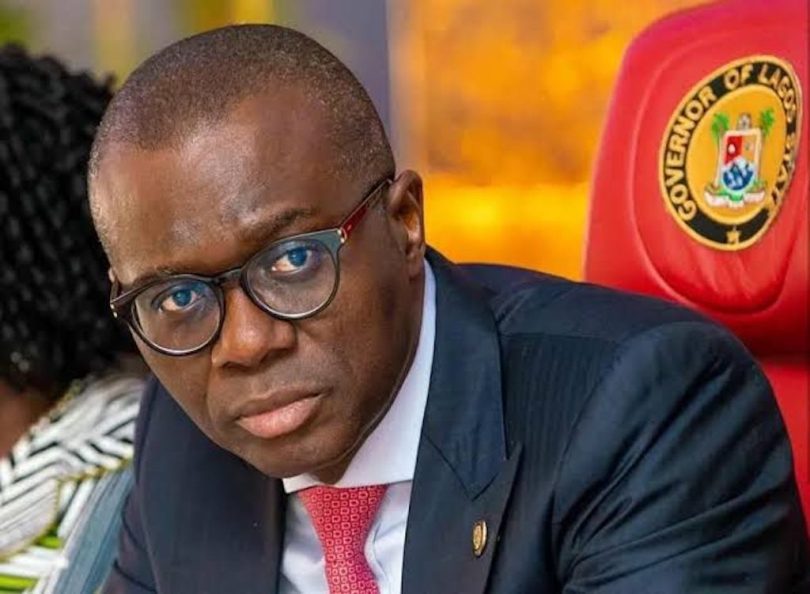
Lagos State Governor Babajide Sanwo-Olu has set a December 31, 2026, deadline for residents to get health insurance before the state begins enforcing mandatory coverage on January 1, 2027.
Sanwo-Olu made this announcement on Tuesday at an event in Victoria Island, Lagos, where he launched the enforcement of mandatory health insurance under Executive Order EO/BOS/01 of 2024, according to his Special Adviser on Media and Publicity, Gboyega Akosile.
The governor also introduced the Lagos Private Health Plans (LPHP), which aim to provide health insurance for salaried workers and companies. These plans will work alongside the Ilera Eko scheme that serves vulnerable residents and those in the informal sector.
At the event, themed “Lagos Covered, A Shared Commitment, A Healthier Lagos,” Sanwo-Olu said the policy aims to ensure every resident can access quality healthcare without facing financial hardship.
He explained that the executive order gives responsibilities to individuals, employers, and the government, and emphasised that everyone living or working in Lagos must have health insurance.
The governor encouraged employers to see workers’ healthcare as an essential business expense, just like pension contributions and other job-related requirements.
He also stressed that healthcare providers should not refuse emergency medical care to patients because of financial issues. He insisted that patients must be stabilised first, before dealing with payment or insurance matters.
Sanwo-Olu said that 21 health maintenance organisations have agreed to join the new private health plans. He described the initiative as a partnership between the government and private companies to expand insurance coverage and improve healthcare delivery.
He also urged medical professionals who are thinking about leaving the country to reconsider, saying that better healthcare funding could make the sector more sustainable for them.
At the event, Lagos State Commissioner for Health, Prof. Akin Abayomi, said that new medical technologies like artificial intelligence, robotics, and modern diagnostic tools have made healthcare delivery much more expensive.
He stressed the importance of an inclusive health insurance system to protect people from rising medical costs and improve access to quality healthcare.
Abayomi called the initiative a major shift in how the state funds healthcare. He pointed out that relying on out-of-pocket payments puts too much financial pressure on families and healthcare facilities.