
The Nigerian state is outsourcing its primary duty of protection to ill-equipped, forgotten volunteers, only to abandon them and their families when the inevitable happens. Across Zamfara, Niger, and Kogi states, the story remains the same: volunteer vigilantes who pick up arms to defend their communities against bandits are left to die or rot in poverty without a shred of state support. In one harrowing instance, the husband of Hauwau Aliyu from Mayanchi village, Zamfara State, was murdered by bandits on February 26, 2024. He left behind a wife and seven children, yet the government has provided absolutely nothing to help them survive.
This betrayal of those who risk their lives for public safety is not an isolated error; it is a systematic abandonment. Sa’adatu Muhammad, a 50-year-old from Jarkuka village in Zamfara, lost two sons to brutal executions by bandits in 2019 and now struggles to raise their children alone. Similar tales of grief echo from the families of Rabiatu Haruna, Aisha Suleiman, and the family of Adeyemi James—a Kogi State Vigilante Service operative killed in December 2025 while attempting to save his daughter during an attack on an ECWA church in Aiyetoro-Kiri. Despite promises of aid from government officials, these families have received nothing but silence.
It is a damning indictment of the Nigerian political class that these men are expected to fight heavily armed terror groups while the state treats their lives as disposable. Even when the state officially employs them, as was the case with the late husband of Wasila Basiru, the support vanishes almost immediately after death. His N30,000 monthly salary, a pittance for the risk involved, was cut off just two months after he was killed. This is not governance; it is the exploitation of the desperate.
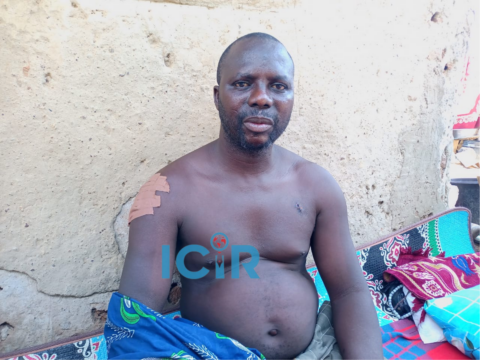
The situation in Niger State further exposes the callous nature of this crisis. On September 10, 2026, an explosion in Kukkoki, Shiroro LGA, killed seven vigilantes and severely injured others like Jamilu, who now faces permanent disability with a mangled leg and no financial or medical path forward. While the state provided a brief, one-off intervention for hospital bills, the survivors have been left to fend for themselves. When press inquiries were made to government spokespeople in Zamfara, Kogi, and Niger states, the response was a masterclass in bureaucratic evasion—either dead silence or shifting blame to other officials who also refuse to answer.
Official press releases and empty rhetoric about “security partnerships” cannot mask the reality: these vigilantes are being used as human shields for a state that refuses to formalize their status or guarantee their welfare. If the government is not prepared to protect its citizens through its own formal security agencies, it has a moral and legal obligation to provide full medical, financial, and death benefits to the volunteers they rely on. Anything less is a cynical, heartless policy that profits from the blood of rural families while offering them zero security in return.
Relevant Reporting and Background
The following report provides additional context on the risks faced by these volunteer forces during military operations:
https://www.youtube.com/watch?v=example
Further evidence of the lack of accountability and the civilian toll in the region is available through public discourse:
The failure of state authorities to address these welfare gaps leaves families to face the consequences of violence alone. Experts like Taiwo Adebayo of the Institute for Security Studies Africa have clearly stated that without formal engagement and basic social protections like health insurance and death benefits, these volunteers are essentially being sent into a meat grinder without a safety net. The government’s refusal to answer for this neglect proves that for them, the lives of these vigilantes—and the survival of their widows and orphans—are simply not a priority.
Source: NaijaProbe