
More than 100 students of the Nursing and Physiotherapy departments of the Zamfara State University, Talata Mafara, Zamfara State, have been left stranded after graduating from the institution without being indexed by their respective professional regulatory bodies, SaharaReporters has learnt.
The affected students, including graduates from two sets of the programmes, are reportedly unable to proceed to their professional examinations because the departments have not secured the required professional accreditation.
The development has left some nursing graduates who are expected to take examinations conducted by the Nursing and Midwifery Council of Nigeria (NMCN) at home, with no clear indication of when they will be called back for accreditation, indexing and the Council’s professional examinations.
Zamfara State University is a state-owned university located in Talata Mafara, Zamfara State. The institution was established in 2018 by the then Governor of Zamfara State, Senator Abdul’aziz Yari Abubakar.
Although the university itself has been accredited by the National Universities Commission (NUC), SaharaReporters learnt that the Nursing and Physiotherapy departments have not obtained full accreditation from their respective professional regulatory bodies.
The situation has reportedly affected more than 100 students in the two departments, including students who have already graduated but are unable to proceed with the professional processes required to practise their respective professions.
Nursing students are required to meet the professional requirements of the Nursing and Midwifery Council of Nigeria, while physiotherapy students are subject to the requirements of the relevant professional regulatory body for physiotherapy.
A student affected by the situation told SaharaReporters that nursing students who were supposed to sit their NMCN examinations are currently at home because of the accreditation and indexing problems.
The student said the affected students are waiting for the university management to resolve the matter and call them back for the necessary processes.
“We have been moving from one place to another and visiting different ministries, trying to find a way out, but nothing seems to be working. There is still no clear information about the situation,” the student said.
The students also questioned why the university continued to admit new students into the Nursing and Physiotherapy programmes despite knowing that the programmes had not secured the necessary professional accreditation.
They expressed concern that the continued admission of students could further increase the number of graduates affected by the accreditation and indexing crisis.
According to the affected students, two sets of students have already graduated from the programmes without being indexed by their professional regulatory bodies.
The students said that despite graduating from the university, some of them cannot proceed with indexing or sit for the professional examinations required to advance their careers.
At present, some of the pioneer students of the institution are reportedly undergoing internships.
One of the students said some of the affected graduates have already spent between five and six months on internship, while the university has remained largely silent about the situation.
The student said, “The only accreditation we have at the moment is the accreditation by the National Universities Commission (NUC). However, these two departments also need accreditation from their respective national professional regulatory bodies.
“Up till now, those regulatory bodies have not come for full accreditation. I think they only carried out an advisory visit in 2023. Since then, nothing substantial has been put in place.”
The students said the lack of clear communication from the university management has compounded their frustration, as many of them remain uncertain about when the professional accreditation and indexing processes will be completed.
They also raised questions over the admission of additional students into the affected programmes, arguing that the university should have resolved the accreditation issues before expanding enrolment.
“If the university knew that the programmes had not been accredited, why did it continue admitting more students?” one of the affected students asked.
The students said they have repeatedly sought assistance from government ministries and other relevant authorities but have yet to receive a definitive solution.
The crisis has also continued amid changes in the university’s management.
The former Vice-Chancellor of the university has since left the position and was appointed Commissioner for Budget in the Zamfara State Executive Council, while a new Vice-Chancellor has been appointed to lead the institution.
One of the students said the change in leadership had raised expectations that the accreditation crisis would finally be addressed.
“I have been saying that Governor Dauda Lawal is trying to reshape everything, but we will not believe anything until we see concrete results on the ground,” the student said.
According to the students, the university and relevant authorities have repeatedly given them assurances that the necessary steps would be taken once funds were made available.
“For a long time, they have been giving students hope and telling them that the government would provide the necessary funds,” one of the students said.
The student added that some people had assumed that the state government had released funds to address the problem, but that there were suspicions that the money may not have been used for the intended purpose.
“Some people even thought that the state government had given the institution money, but that the university management had squandered the funds without doing what was necessary,” the student alleged.
The students, however, said their immediate concern was not the political or administrative changes at the university but the need for the institution and the relevant authorities to provide a concrete solution to the accreditation and indexing crisis.
They said they had invested years of study, tuition and other resources in the programmes and now risk being unable to proceed with their professional careers despite having completed their university education.
The students are therefore calling on the Zamfara State Government, the university management and the relevant professional regulatory bodies to urgently intervene and clarify the status of the two programmes.
They want the authorities to explain the steps being taken to secure full professional accreditation, index the affected students and enable eligible graduates to sit for their professional examinations.
They also want the university to explain why students continued to be admitted into the programmes despite the alleged absence of full professional accreditation.
The affected students said they are particularly concerned about the consequences for students currently enrolled in the programmes, as well as future students who may graduate into the same situation.
The crisis has therefore raised questions about the responsibility of universities to ensure that professional programmes meet both university-level accreditation requirements and the additional standards imposed by professional regulatory bodies.
While the university has secured accreditation from the NUC, the students insist that NUC accreditation alone does not resolve the separate professional accreditation requirements applicable to Nursing and Physiotherapy.
For the affected students, the issue has now gone beyond accreditation on paper, as some graduates are already waiting at home or undergoing internships without a clear timeline for indexing and professional examinations.
The students are demanding urgent action to prevent more sets of graduates from being trapped in the same situation.
When SaharaReporters contacted the Head of the Department of Nursing Science at the institution, Professor A.M. Sani, he said he could not speak about the situation.
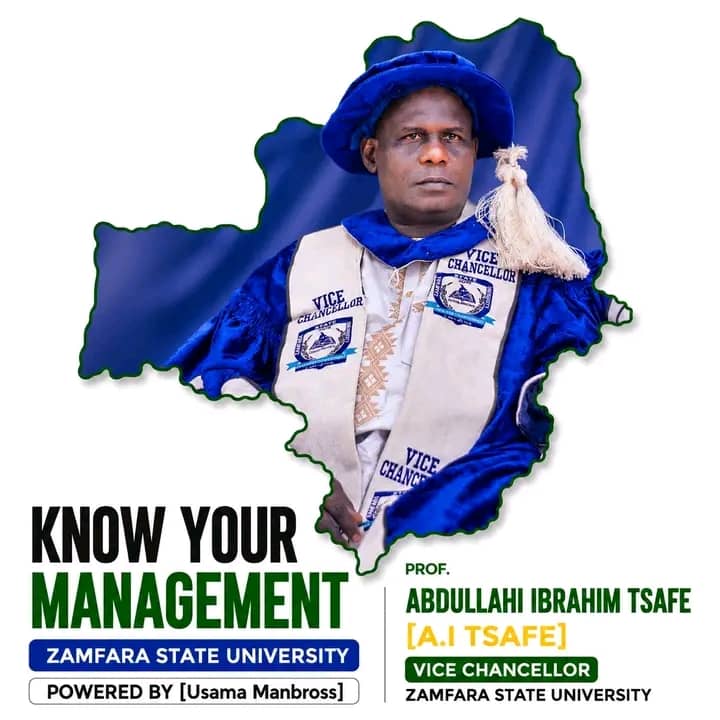
Efforts to get a response from the university’s Vice-Chancellor, Professor Abdullahi Ibrahim Tsafe, and the University’s Public Relations Officer, Yusuf Sani Galadima, were unsuccessful, as calls to their phones did not go through and they did not respond to messages sent to them.