
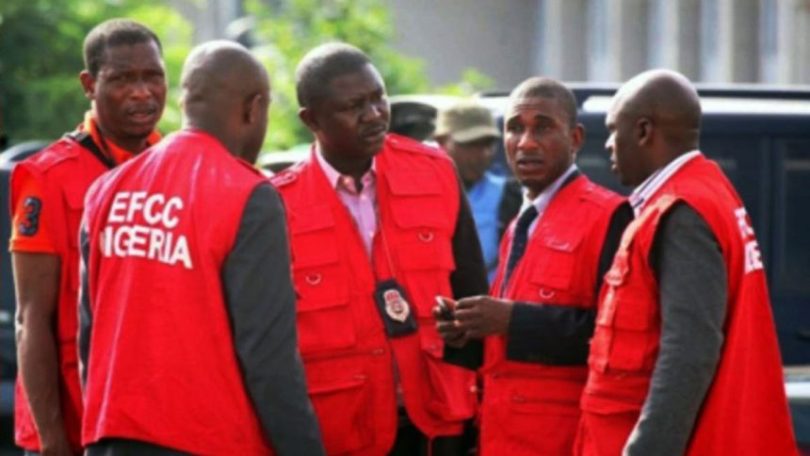
The Federal High Court in Abuja has adjourned the final forfeiture proceedings concerning ₦26 billion linked to Ziklagsis Networks Limited until December 15, 2026. Justice Ekerete Akpan granted the adjournment following a request from the company’s legal counsel, Oladipo Okpeseyi, who cited a need for additional time to file necessary court processes regarding the stalled electricity meter contract.
The case stems from a 2003 tripartite agreement between the defunct National Electric Power Authority (NEPA) and Ziklagsis Networks Limited, intended to execute mass metering projects across Nigeria. The Economic and Financial Crimes Commission (EFCC) alleges that the firm failed to deliver on the contract, yet refused to return the ₦26 billion in public funds paid out to them. Following a failed recovery process, the anti-graft agency initiated the forfeiture application, leading to the current legal stand-off where the company continues to contest the seizure of the funds.
To the average Nigerian struggling with erratic power supply and the predatory billing of the current electricity distribution model, this news is not just an update on a court case; it is a painful reminder of institutional rot. While millions of citizens are forced to live in darkness or pay exorbitant, estimated bills because they lack functional meters, ₦26 billion—a staggering sum that could have been invested in genuine infrastructure—has been tied up in legal gymnastics for over two decades.
The fact that this matter is being adjourned until late 2026 is an indictment of the Nigerian judicial process. It is a masterclass in how to stall accountability. When legal teams can drag a case about missing public funds for years, the law stops being a shield for the people and becomes a sanctuary for the untouchables. The EFCC’s pursuit is necessary, but the glacial pace of the court creates a chilling message: in Nigeria, if you steal enough, you can keep the money working for you in high-yield accounts while you wait out the statute of limitations or hope for a convenient memory lapse from the public.
We are told the government demands a refund, yet the money remains frozen in a legal vacuum while the public continues to suffer the consequences of the 2003 failure. This is not just a commercial dispute; it is a classic Nigerian saga of contract mismanagement, lack of oversight, and the frustrating inability of our institutions to recover stolen resources in real-time. Justice delayed in this instance is not just justice denied—it is an insult to every citizen currently languishing under the weight of the nation’s failed power sector.
Source: NaijaProbe