
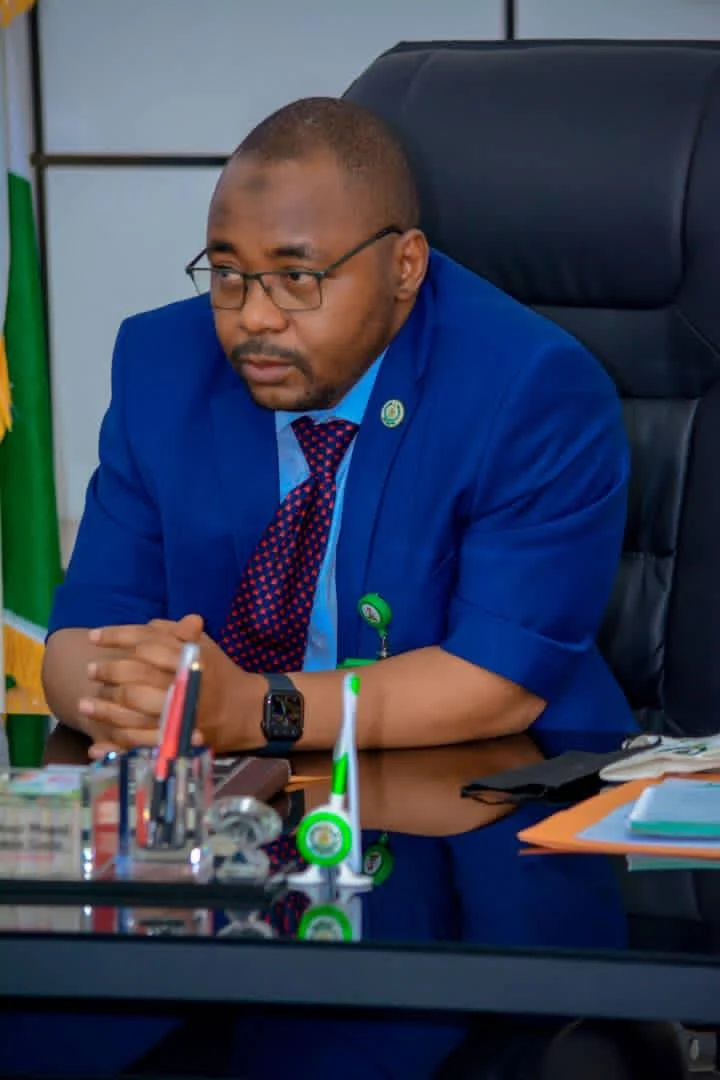
Sixty days into his tenure, Muhuyi Magaji Rimingado is steering the Kano State Multi-Agency Task Force on Drug Abuse and Illicit Trafficking toward a comprehensive strategy that blends security enforcement with public health, intelligence gathering, and community rehabilitation.
Inaugurated in July, the task force was established to combat a crisis estimated by the 2018 National Drug Use Survey to affect roughly 1.07 million users in the state. Rather than relying solely on conventional raids, the administration has structured its campaign around inter-agency collaboration, institutional reform, and social intervention.
Enforcement efforts have been swift. Over the past two months, the task force has conducted more than 200 raids, securing over 200 convictions through the establishment of four mobile courts. Notably, operations have targeted high-level suppliers, including the high-profile arrest of a former local government chairman over the illicit distribution of dangerous substances to minors.
Recognizing that criminal prosecution alone cannot resolve the issue, the agency has prioritized rehabilitation and youth development. Plans are underway to rehabilitate 10,000 substance-dependent youths within a year through a program combining medical detoxification, counseling, and vocational training in fields like solar technology and garment production.
To decentralize these services, the task force is collaborating with the Federal Neuropsychiatric Hospital in Dawanau to establish ad-hoc rehabilitation centers across Kano’s three senatorial zones. Furthermore, the agency has formed nine subcommittees, partnered with the National Drug Law Enforcement Agency (NDLEA) which named Rimingado a War Against Drug Abuse Ambassador—and proposed implementing artificial intelligence to monitor pharmaceutical sales.
Despite these aggressive strides, officials emphasize that sustainable success requires active community involvement. Stakeholders urge parents, schools, and religious leaders to recognize early warning signs of addiction and seek professional support, ensuring that vulnerable youth receive a genuine pathway to recovery.
Post Views: 0