
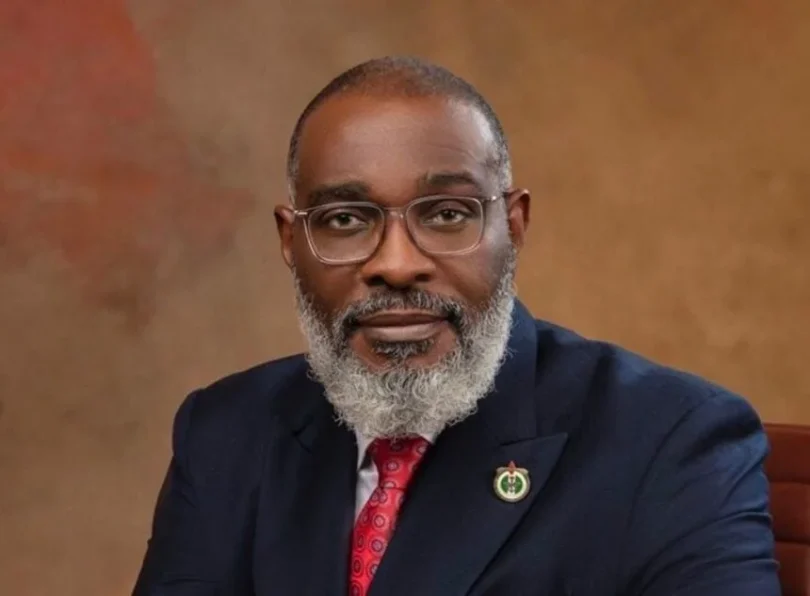
A public affairs analyst and security expert, Maurice Ayobami, has explained why President Bola Ahmed Tinubu’s recent appointment of Major General Adeyinka Famadewa (retd.) as Special Adviser on Homeland Security is vital to tackling the insecurity bedevilling the country.
In a statement on Friday, Ayobami said the creation of the office reflects strategic adaptation to Nigeria’s evolving security landscape rather than institutional weakness.
Recall that President Tinubu appointed Famadewa as his adviser on homeland security.
The decision generated mixed reactions, with some people supporting the move while others opposed it.
DAILY POST reports that Prof. Femi Otubanjo, a research professor at the Nigerian Institute of International Affairs, faulted Famadewa’s appointment.
Reacting, Ayobami argued that modern security threats have become increasingly decentralised, asymmetric, and technologically sophisticated, requiring governments across the world to continuously redesign their coordination structures and policy responses.
“To interpret the appointment of a Special Adviser on Homeland Security as an admission of failure is to fundamentally misunderstand the nature of contemporary security management,” Ayobami said.
“Serious governments evolve. Serious administrations review their structures, identify emerging gaps, and create mechanisms capable of improving coordination, intelligence integration, and rapid strategic response. That is exactly what this administration has done,” he said.
Ayobami explained that the office is designed to strengthen inter-agency collaboration and improve strategic policy coherence, not to replace military command structures or usurp the statutory responsibilities of existing security institutions.
“The attempt to frame this appointment as a power struggle within the security architecture is both inaccurate and unnecessarily alarmist,” he said.
“The Special Adviser on Homeland Security is not being appointed to command military formations or override existing agencies. The role is strategic and advisory, aimed at deepening intelligence coordination, improving homeland risk assessment, and strengthening synergy among critical institutions,” Ayobami added.