
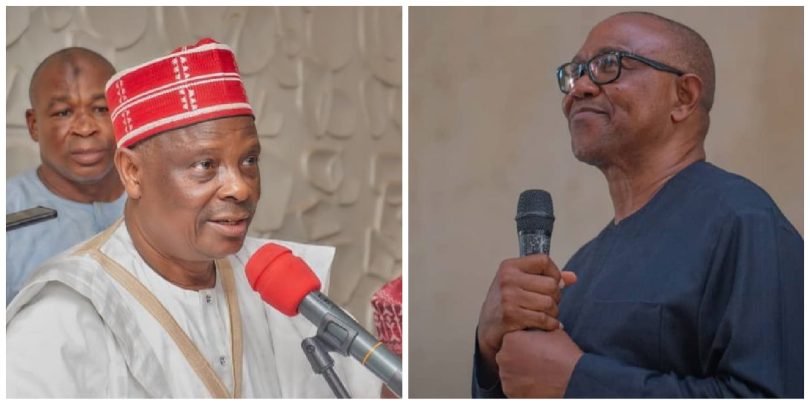
LAGOS — Speculation that Peter Obi and Rabiu Kwankwaso may run on a joint ticket in the 2027 elections is generating widespread discussion across Nigeria.
In 2023, Obi contested the presidency under the Labour Party, while Kwankwaso represented the New Nigerian Peoples Party (NNPP). Last week, Kwankwaso met with leaders of the African Democratic Congress (ADC), culminating in his defection to the opposition coalition.
On Sunday, March 22, 2026, Obi, a former governor of Anambra State and a leading figure in the ADC, visited Kwankwaso in Kano during Sallah celebrations, drawing large crowds and intensifying speculation about a possible joint ticket.
Ordinary Nigerians have expressed strong opinions on the potential alliance. Lilian Ijeoma, a civil servant in Abuja, stated “If this happens, it could be a game-changer for Nigeria. We need leaders with proven track records.”
Political science student Emeka Nwafor said, “I think it would be a strong alliance,” while broadcaster Owigo Okolo noted, “Both former governors have strong supporters, so I can vouch that they will win if they form an alliance.”
Social media reactions have been equally robust. @Talesbymark called the potential pairing a “game-changer,” while @Segun Osiki highlighted Obi’s integrity and Kwankwaso’s experience. Some, like @Henry Uch, cautioned that political alliances in Nigeria often collapse before elections, whereas others, including @CHRYX and @Dr. Ben, expressed optimism that the partnership could challenge the ruling party.
Analysts say a joint ticket could combine Obi’s credibility with Kwankwaso’s political structure in the North, potentially reshaping the 2027 electoral landscape. The development comes amid ongoing tensions within opposition parties, including the ADC, as they position themselves ahead of the next general elections.
This unfolding political alignment is being closely watched, with Nigerians weighing the implications for national unity, governance, and electoral competition.