
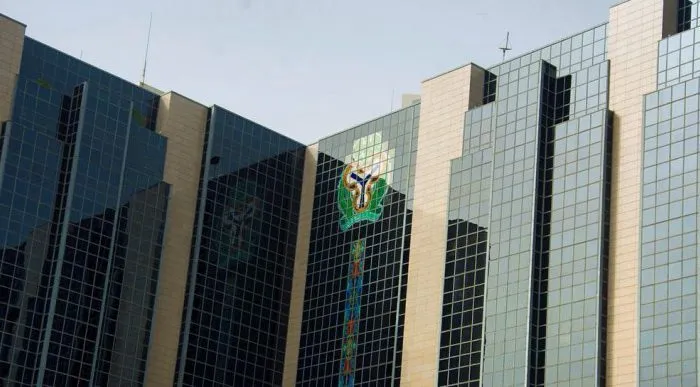
The Central Bank of Nigeria and the Nigerian Communications Commission have signed a memorandum of understanding to combat SIM-related fraud and strengthen consumer protection across Nigeria’s digital ecosystem. The agreement, signed at the CBN headquarters in Abuja, is aimed at improving coordination between the financial and telecommunications sectors to safeguard payment systems and enhance security for users.
CBN Governor Olayemi Cardoso described the pact as a practical step in the national interest, noting that increasing reliance on digital channels for financial transactions requires stronger regulatory collaboration. He said the agreement would reinforce payment system integrity, support innovation, and strengthen responses to rising electronic fraud through shared intelligence and coordinated action.
A key feature of the partnership is the rollout of the Telecom Identity Risk Management Portal, a data-sharing platform designed to detect fraud linked to swapped, recycled, or blacklisted phone numbers. The platform will enable real-time verification of mobile number status across banks and fintech firms while operating under strict data protection and encryption protocols.
NCC Executive Vice Chairman Aminu Maida said the agreement represents a major milestone in strengthening Nigeria’s digital economy, adding that improved visibility into the status of phone numbers used in transactions would help financial institutions better combat e-fraud and improve service delivery, including quicker resolution of failed airtime recharge complaints.
Under the agreement, both regulators will establish joint committees on payment systems, consumer protection, and telecom risk management to drive implementation. The collaboration is expected to deepen digital financial inclusion, reduce fraud risks, standardise complaint-resolution timelines, and strengthen trust in Nigeria’s expanding digital financial services sector.