
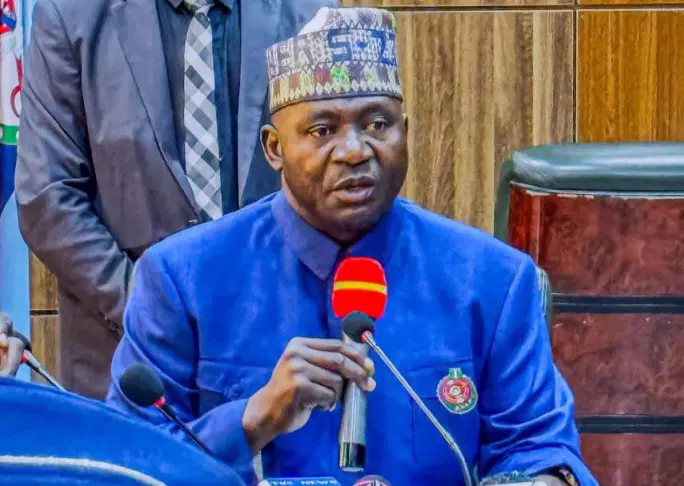
Nigeria’s Defence Minister, Christopher Musa, has defended the recent airstrike on Jilli, insisting that those killed were not innocent civilians but individuals allegedly aiding insurgents operating in the area.
Speaking during an interview on Arise TV after a high-level security meeting chaired by Bola Tinubu, Musa said the military acted on credible intelligence and deliberately targeted what he described as a logistics hub used by terrorists.
“There was no innocent person there. Anybody in that location knew what they were doing. They were there for business with terrorists,” the minister said.
The airstrike has drawn criticism following reports of civilian casualties, sparking renewed debate about Nigeria’s counterinsurgency operations and the challenge of balancing military objectives with civilian protection.
Musa, however, rejected suggestions of operational error or faulty intelligence, stressing that the strike followed verified surveillance and planning. “We moved based on intelligence, we identified the location, and we hit the target. It was a deliberate operation,” he said.
According to him, the Jilli area in Borno State had long been designated a restricted zone and functioned as a supply point where traders delivered food, fuel, and other materials to insurgent groups rather than a conventional civilian marketplace.
He argued that economic incentives often drive such activities, noting that traders could sell essential goods at inflated prices in insurgent-controlled territories. “If you take a bag of rice there, you can sell it for as much as N150,000. The attraction is huge,” Musa said.
The defence minister maintained that individuals who knowingly provide logistics or financial support to terrorists cannot be considered civilians under the laws of armed conflict. However, he acknowledged that some residents may be forced into cooperation and should be treated differently from those acting voluntarily.
Musa also questioned casualty figures circulating after the strike, saying there had been no verified evidence to support claims that dozens of civilians were killed. He added that local authorities familiar with the area had previously indicated that the location had largely been evacuated.
He warned that continued collaboration between civilians and insurgents remains a key factor prolonging insecurity in the North-East, stressing that cutting off such support networks could significantly weaken terrorist operations and accelerate progress in the conflict.