
Secret Reporters
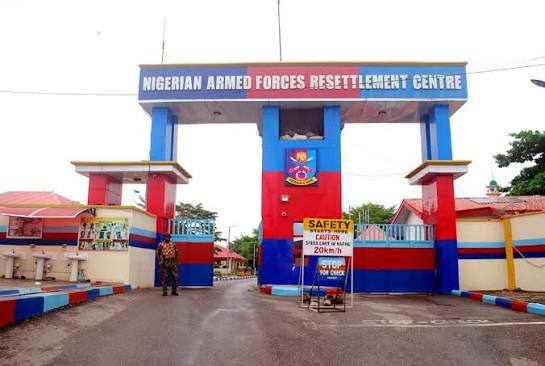
Nigerian Armed Forces Resettlement Centre (NAFRC), Oshodi, Lagos, spent ₦743,334,102.08 on the rehabilitation and repair of residential buildings in 2020, despite having an approved budget of only ₦63,059,074 for the purpose. The spending exceeded the authorised allocation by ₦680,275,028.08, with no approval from the National Assembly or the Minister of Finance for the additional expenditure.
The difference between the approved budget and the actual amount spent represents a substantial overrun on a single expenditure item. While the Centre had funds allocated for residential repairs, the amount eventually spent was more than eleven times the original provision, leaving questions about how the additional funds were authorised and accounted for. The issue was identified under Section 80(4) of the Nigerian Constitution and Financial Regulations 2009, paragraphs 417 and 301, which were cited in connection with the control of public expenditure and compliance with approved budgetary provisions.
In defending the additional spending, NAFRC’s management pointed to the living conditions and welfare of the elderly trainees at the Centre. Management explained that it had tried to comply with the Appropriation Act but was compelled to undertake the repairs because of urgent circumstances. It specifically cited concerns about the vulnerability of elderly trainees to weather-related illnesses as a reason for carrying out the work. According to the response, the repairs were considered necessary to protect the trainees from conditions that could affect their health. Management also stated that it would continue working towards compliance with the Appropriation Act in the future.
However, the explanation did not resolve the central concern surrounding the expenditure: the amount spent went far beyond the approved allocation, and the additional spending had not received approval from the National Assembly or the Minister of Finance. Although the Centre presented the repairs as necessary, the information provided did not indicate that the required authorisation for exceeding the budget had been obtained.
The findings identified waste and diversion of public funds as risks associated with the excess expenditure. These were listed as potential risks, rather than proof that the entire amount was wasted or deliberately diverted. The key issue was the failure to obtain the required approval before spending ₦680.2 million beyond the amount appropriated for the residential repairs.
Futhermore, the scale of the overrun also raises questions about budget planning and expenditure controls at the Centre. With ₦63,059,074 initially approved for the work, the final spending reached ₦743,334,102.08. The details provided did not include a breakdown of the individual repair projects or explain how the additional expenditure was distribututed.
To address the matter, the NAFRC needs to account for and recover the full ₦680,275,028.08 and remit the amount to the Treasury. The document further stated that sanctions under Financial Regulations 2009, paragraphs 3106 and 3115, could apply if the issue was not satisfactorily resolved.
Source: …Secretsreporters