
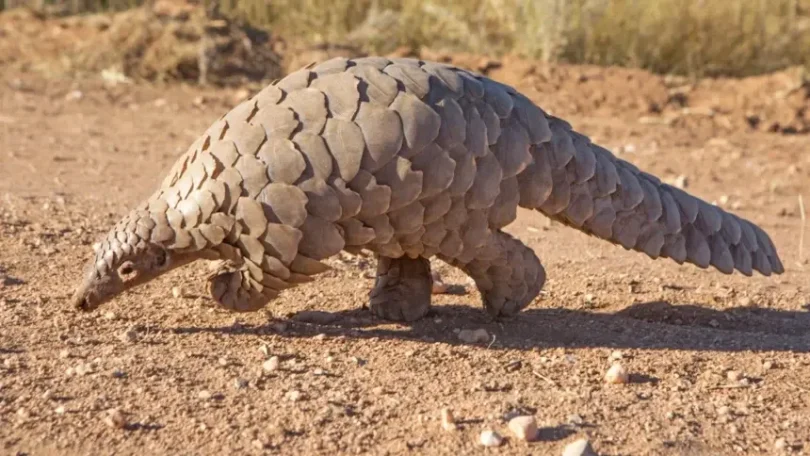
The Nigeria Customs Service (NCS) intercepted three live pangolins during an intelligence-led anti-smuggling operation on Sunday along the Iwofun Riverside-Olorunda axis in Ogun State. The traffickers, caught in the act of transporting the endangered creatures inside a laundry basket, abandoned their illicit cargo and fled into the shadows upon spotting customs officers.
Following the seizure, acting customs area controller Abdulhamid Ibrahim transferred the animals to the Green Fingers Wildlife Conservation Initiatives on the following Monday. This handover, intended for the rehabilitation and eventual rewilding of the pangolins, highlights an ongoing, desperate struggle against a sophisticated illegal trade that continues to threaten Nigeria’s biodiversity.
Let’s call this what it is: a recurring symptom of a porous, lawless landscape where wildlife smuggling has become just another profitable hustle for criminals. While the NCS touts this as their second seizure in the area, the fact that traffickers were brazen enough to transport protected species in a simple laundry basket suggests they view the risk of apprehension as negligible. They know the terrain, they know the weak points in surveillance, and they operate with the confidence that they can simply dump their goods and melt away when challenged.
The standard press release rhetoric about “vigilance” and “sustained commitment” rings hollow when the culprits remain at large. Every time a seizure occurs, the public is expected to applaud the intervention, but the lack of arrests for the masterminds behind these operations reveals a massive, systemic failure in intelligence and enforcement. It is not enough to intercept the animals; the networks—the poachers, the middlemen, and the buyers—must be dismantled. Without high-profile prosecutions, these “intelligence-driven operations” are merely temporary interruptions in a lucrative business.
Furthermore, the reliance on non-governmental organizations like Green Fingers Wildlife Conservation Initiatives to clean up the mess highlights a recurring trend where state agencies outsource the burden of conservation after failing to prevent the exploitation in the first place. We have entered a cycle where wildlife is treated as a disposable commodity until it is almost too late. Unless the Nigeria Customs Service shifts from a defensive, reactive posture to a proactive, prosecutorial force that brings these traffickers to face the full weight of CITES regulations, these “rescues” will continue to be nothing more than stop-gap measures in a losing battle.
The environment is not just losing rare species; it is losing the fight against a culture of impunity. Protecting wildlife requires more than just handovers; it requires a scorched-earth policy against the criminal syndicates that operate with absolute disregard for our national heritage. It is time for less posturing and more decisive action that results in jail cells, not just reclaimed laundry baskets.
Source: NaijaProbe