
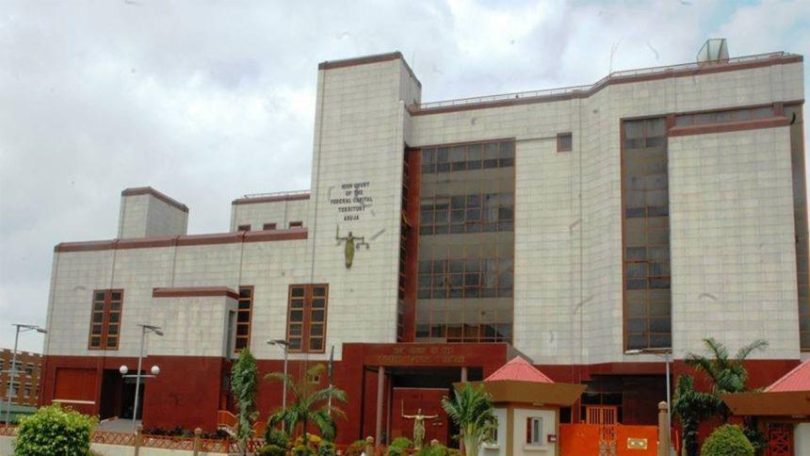
A disturbing audit of the High Court of the Federal Capital Territory (FCT) in Maitama, Abuja, has unmasked a staggering ₦103,184,609.49 in questionable expenditures. The investigation revealed that public funds were funneled into two distinct transactions—one involving a phantom diesel supply and the other an elusive insurance deal—without a single shred of credible documentation to justify the payments.
The first scandal involves ₦42,768,000.00 allegedly paid for diesel supplied between January and February 2018. Despite the funds being disbursed in two installments in 2019, auditors found zero evidence of delivery records or issuance documents. Simultaneously, the court parted with ₦60,416,609.49 for an insurance policy that appears to exist only on paper. Investigators confirmed that the court lacks any policy certificate, receipts, or even proof that the broker was authorized by the National Insurance Commission (NAICOM) to handle such business.
This is not merely a case of “missing files”; it is a masterclass in bureaucratic negligence and fiscal impunity. The management’s defense—that they merely wrote letters asking for documents after the money had already vanished from the treasury—is not an explanation; it is an admission of failure. In any functional organization, payment follows verification. At the FCT High Court, it seems the standard operating procedure is to hand over taxpayer money first and pray that someone, eventually, provides the goods or services. It is a reckless gamble with public resources that violates basic Financial Regulations and the Insurance Act of 2003.
The audacity to authorize millions of naira for fuel without delivery notes, and for insurance without a policy, exposes a systemic rot where oversight is treated as an optional suggestion rather than a mandate. When the institution tasked with upholding the law treats public financial regulations with such casual contempt, it creates a culture where transparency goes to die. The management’s claim that they have been chasing the insurance company for documentation only highlights the incompetence involved in the initial approval. If you pay for a service without verifying the provider’s legitimacy or the product’s existence, you aren’t just a bad administrator—you are complicit in the hemorrhage of public funds.
Ultimately, ₦103 million has evaporated into the ether, and the Nigerian public is left with nothing but vague excuses and empty ledgers. The FCT High Court occupies a position of supreme importance in the dispensation of justice, yet its internal financial conduct reflects a complete lack of accountability. Until heads roll and those who authorized these phantom payments are held personally liable, these audits will continue to be nothing more than a chronicle of public theft cloaked in the guise of administrative oversight.
Source: NaijaProbe