
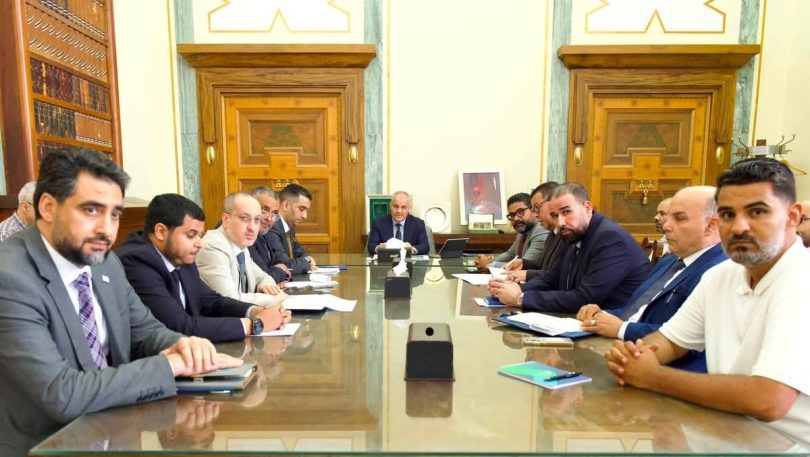
The Central Bank of Libya (CBL) is spearheading a significant push to modernise its electronic payment infrastructure, with Governor Mr. Naji Issa convening an expanded meeting on July 13, 2026, to address critical development areas. The high-level session brought together general managers from key commercial banks and representatives of leading electronic payment companies, alongside relevant CBL department directors. This strategic engagement underscores the CBL’s commitment to enhancing the efficiency and resilience of Libya’s digital payment ecosystem.
The discussions focused on identifying and mitigating the most pressing challenges confronting financial institutions and payment service providers. A core objective was to bolster the technical infrastructure underpinning electronic payment systems, aiming to minimise service interruptions and ensure uninterrupted access for citizens. This proactive approach is vital for fostering trust and encouraging wider adoption of digital financial services.
A key agenda item was the progress of the Visa card payment project, specifically its implementation for foreign currency transactions via local point-of-sale (POS) terminals. The review of this project’s completion stages signals a strategic move towards diversifying payment methods and aligning Libya’s financial sector with global trends. This initiative is expected to provide businesses and consumers with more flexible and secure transaction options.
Furthermore, the meeting included a thorough evaluation of electronic payment companies, assessing their adherence to the technical and regulatory standards mandated by the CBL. This rigorous oversight is crucial for maintaining market integrity and safeguarding consumer interests. The CBL’s emphasis on compliance reinforces its role as a guardian of the financial system’s stability.
The expansion of electronic wallet usage was also a prominent topic, with the aim of promoting financial inclusion and attracting expatriate labour. By encouraging the use of digital wallets, the CBL seeks to reduce reliance on cash transactions and integrate a broader segment of the population into the formal financial system. This aligns with broader economic development goals.
Governor Issa stressed the imperative for continuous collaboration and communication between commercial banks and electronic payment firms. He urged them to proactively address emerging issues and to present innovative proposals that can further enhance payment services.
A paramount concern raised was the critical need to prioritise cybersecurity. The Governor mandated the implementation of robust measures to fortify banks’ digital infrastructure against evolving cyber risks and threats. This focus on cybersecurity is essential for ensuring the security and safety of banking systems, protecting customer data, and guaranteeing the continuity of services, thereby building a resilient and trustworthy digital financial landscape.
... Libya Central Bank Drives Digital Payment Overhaul, Tackles Systemic Risks ... Naijaonpoint.