
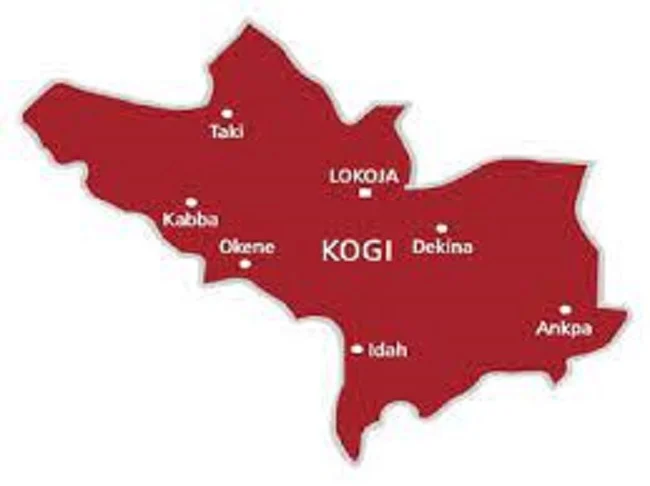
The Speaker of the Kogi State House of Assembly, Rt. Hon. Aliyu Umar Yusuf, has announced plans to enact a law providing a legal framework for power rotation in the state.
Yusuf made the disclosure at the ongoing Kogi Power Rotation Summit in Lokoja, where traditional rulers, religious leaders, community leaders, professional associations, organized labor, youths, students, and other stakeholders gathered to discuss equity, inclusion, and political power sharing.
He said the proposed legislation would establish an institutional framework for rotating political power among the different parts of Kogi State.
According to him, “The Assembly will pass a law on power rotation. Whoever is not comfortable should go to court. It is time to make history.”
The announcement has introduced a legislative dimension to the longstanding debate over power rotation in the state, which has largely centered on political advocacy and public discussions.
Yusuf urged stakeholders to decide when they wanted the proposed legislation to be presented and passed, stressing that the issue had become overdue.
His position placed legislative action at the center of the summit’s deliberations, with participants expected to examine how equity, fairness, inclusion, and political participation could be addressed through a sustainable framework.
ALSO READ: Kogi Assembly moves to regulate rents
Power rotation has remained a major political issue in Kogi State, particularly regarding the distribution of leadership positions among the three senatorial districts.
The Kogi Unity Accord, a non-partisan platform promoting dialogue on equity, fairness, inclusion, and sustainable power sharing, is organizing the summit.
The event has attracted participants from the three senatorial districts, providing a platform for stakeholders to exchange views on the state’s political future.
Representatives of traditional institutions, religious bodies, professional organizations, labor groups, community associations, youths, and students are among those attending the summit.
With the Speaker’s announcement, the possibility of a formal legislative framework for power rotation has emerged as a key issue in the ongoing debate.
If introduced and enacted, the proposed law would move power rotation from political convention and advocacy into a statutory framework.
However, its specific provisions, scope, and implementation would depend on the legislative process and further consultations with stakeholders.
The summit, chaired by former Chief of Defence Intelligence Vice Admiral Joseph Ajayi (retd.), continues on Thursday, October 1, 2026, with further discussions expected on political inclusion, unity, equitable participation, and shared prosperity.
Attention is now turning to how the proposed legislative process will unfold and whether the planned law will gain support among stakeholders.