
By Blessing Otobong-Gabriel
Recently reported hantavirus cluster linked to international cruise ship travel has renewed concerns about the growing threat of cross-border infectious diseases and the readiness of countries like Nigeria to respond effectively.
With passengers from multiple countries reportedly affected, public health experts warn that increased global travel and weak surveillance systems could heighten the risk of imported infections, especially in nations with busy airports, seaports and fragile healthcare infrastructure.
The development has again drawn attention to Nigeria’s border health system and the urgent need to strengthen disease screening, emergency preparedness and rapid response mechanisms against emerging outbreaks.
Hantavirus, the disease which has caused a deadly outbreak on a cruise ship in the Southern Atlantic, circulates in rodents and can be deadly when transmitted to humans.
Dutch cruise operator, Oceanwide Expeditions confirmed that it was dealing with “a serious medical situation” on board the MV Hondius, travelling from Argentina to Cape Verde.
Hantaviruses are among the pathogens that can cause respiratory and cardiac distress, as well as haemorrhagic fevers.
There are no vaccines or specific medications to combat hantaviruses, meaning treatment consists solely of attempting to relieve the symptoms.
According to Switzerland’s FOPH health ministry, there are many types of hantavirus, which vary in their geographical spread and their pathologies.
“Human-to-human transmission has only been observed with one single virus type, which is extremely rare,” it said.
Hantaviruses are found on every continent.
The virus is named after the Hantan River in South Korea, where more than 3,000 troops fell seriously ill after becoming infected with it during the 1950-1953 Korean War, the FOPH noted.
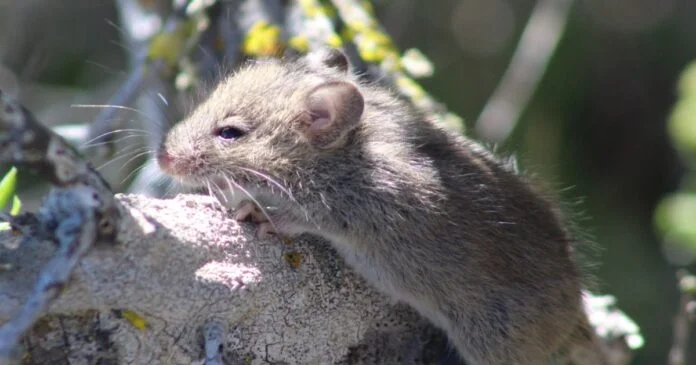
They are transmitted to humans through infected wild rodents, such as mice or rats, which shed the virus in their saliva, urine and droppings.
A bite, contact with these rodents or their droppings, or breathing in contaminated dust can cause infection.
The French National Public Health Agency added that human infection generally occurs through the inhalation of dust and aerosols contaminated by the excretions of infected animals.
This is typically “during activities in forests or in long uninhabited buildings near forests, as well as during activities in rural areas where fields and farms offer a favourable environment for reservoir rodents”.
The only way to minimise the risk of infection is to avoid contact with rodents and their secretions and excretions.
On May 11, 2025 a plane carrying 20 UK citizens evacuated from a cruise ship hit by a hantavirus outbreak, landed in Manchester, northwest England, on Sunday.
The flight arrived at the city’s airport from Tenerife, where the MV Hondius is currently moored. The British nationals are expected to be transferred to a hospital near Liverpool for medical tests and will remain in quarantine for up to 72 hours.
According to Spanish government information, 22 British nationals were earlier evacuated from the vessel, with 20 on board the special flight, Britain’s Press Association, PA, reported. The remaining two passengers were expected to travel to another destination.
UK authorities did not immediately confirm the details.
Britain’s Foreign Secretary, Yvette Cooper, in a post on X, commended efforts to repatriate the passengers, saying, “Thank you to all those who worked around the clock to get passengers from MV Hondius back to the UK by special flight this evening with public health protections in place.”
A spokesman for the National Health Service, NHS, had earlier said the evacuees would be taken to Arrowe Park Hospital in Wirral upon arrival for testing.
The group is expected to remain under observation for an initial 72 hours, after which further isolation measures will be assessed.
The World Health Organisation, WHO, confirmed on Friday that six cases had been verified out of eight suspected infections.
What does this mean for Nigeria ?
Nigeria Centre for Disease Control and Prevention, NCDC, Public Health Advisory on Hantavirus Cluster Linked to Cruise Ship Travel confirmed that there is currently no evidence of hantavirus cases in the country.
The agency disclosed this in its public health advisory on Friday that surveillance and monitoring systems remain active across the nation to detect and respond promptly to any emerging public health threat.
It explained that hantaviruses are a group of viruses primarily carried by rodents. Humans may become infected through contact with infected rodents or exposure to their urine, droppings, saliva or contaminated dust particles.
The agency noted that symptoms of the disease include fever, fatigue, body aches, headache, gastrointestinal symptoms, and, in severe cases, difficulty in breathing and respiratory complications.
The NCDC also noted that while some forms of hantavirus infection can cause severe illness, the disease remains relatively rare, adding that the current cluster has been linked to the Andes virus strain, for which limited human-to-human transmission had previously been documented, particularly through close contact.
It stated that the overall risk to the general public remains low, advising Nigerians to maintain clean environments and prevent rodent infestation; store food properly and dispose of waste safely; avoid contact with rodents and their droppings; use appropriate protective measures when cleaning rodent-infested areas; practise regular hand hygiene; maintain optimal infection prevention and control measures in communities and healthcare facilities.
The NCDC assured Nigerians that it remains committed to safeguarding public health and will continue to provide timely updates as the situation evolves.
Related