
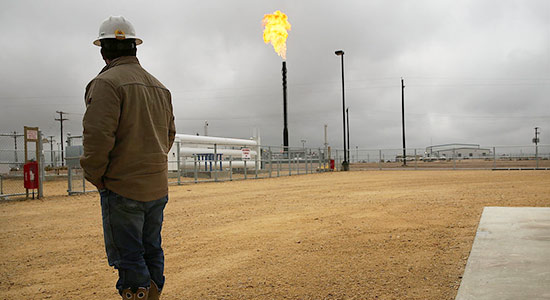
The Pilex Centre for Civic Education Initiative has instituted an action before the Federal High Court challenging provisions of the Petroleum Industry Act 2021 relating to gas flaring.
The civil society organisation said the suit was filed in the public interest to address the environmental and human consequences of gas flaring, toxic emissions and other activities associated with petroleum operations in Nigeria.
Executive Director of the organisation, Courage Nsirimovu, disclosed the legal action during a conference on the Niger Delta clean-up campaign held in Port Harcourt, Rivers State.
Although details of the specific provisions and reliefs sought were not disclosed at the conference, Nsirimovu said the action was founded on the argument that commercial or regulatory interests should not override the constitutionally protected rights to life and human dignity.
He maintained that continued exposure of oil-producing communities to air pollution and toxic emissions undermines the environmental conditions required for residents to live safely.
“We believe that children yet unborn have a right to inherit a protected environment, and that environmental rights should prevail over interests that undermine the fundamental right to life and human dignity. Pilex will pursue this case with determination,” he said.
The Petroleum Industry Act prohibits the flaring or venting of natural gas in petroleum operations except under circumstances permitted by the Act, including emergencies, facility start-ups and certain operational situations.
The legislation also requires operators to submit programmes for eliminating routine gas flaring and provides for the payment of penalties where gas is flared without lawful permission.
Environmental campaigners have, however, criticised the statutory exceptions and the absence of a definite deadline for ending gas flaring, arguing that the framework effectively allows the practice to continue despite its consequences for host communities.
Nsirimovu described the suit as an opportunity for the judiciary to develop Nigeria’s environmental-rights jurisprudence in accordance with contemporary realities.
“The case presents an opportunity for Nigeria to take a decisive step in jurisprudence within the realities of the 21st century,” he said.
He also called on civil society organisations and environmental-rights defenders to support the legal action.
The Federal Government and other defendants had yet to publicly respond to the suit at the time of filing this report.