
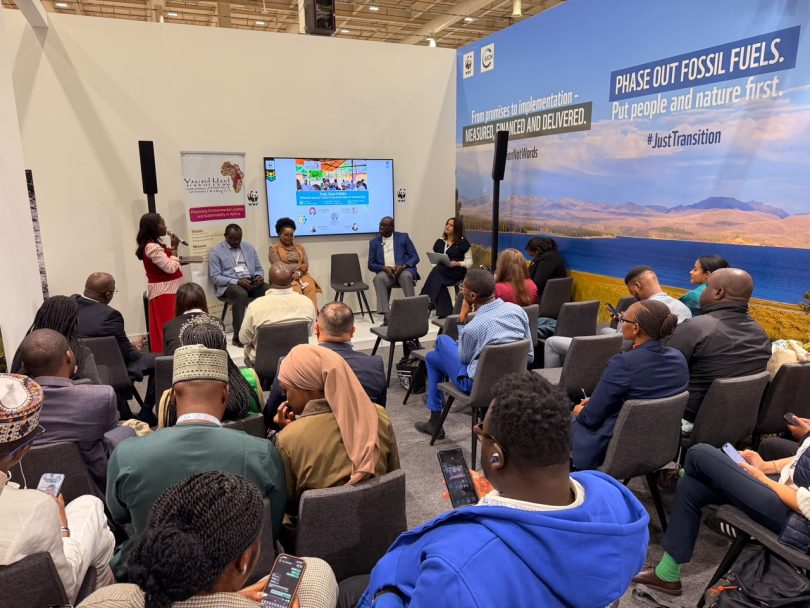
As global climate negotiations increasingly shift towards implementation, climate experts are urging greater access to climate finance, stronger adaptation support and energy access, alongside efforts to ensure African countries derive greater economic value from their critical mineral resources ahead of COP32 in Ethiopia.
Speaking during a briefing at the 31st UN Climate Change Conference (COP31) in Antalya, Türkiye, experts from the World Wide Fund for Nature (WWF) International said Africa’s next climate milestone must go beyond negotiations and commitments to deliver practical solutions that address the continent’s realities and development priorities.
Manuel Pulgar-Vidal, WWF International’s Climate and Energy Practice Lead and former Minister of Environment of Peru, said the global climate process must become more effective in delivering results, noting that growing recognition of the need for adaptation and resilience should translate into tangible action.
“We have to make this process be more effective to deliver results,” Pulgar-Vidal said, emphasising the importance of strengthening trust among stakeholders and making climate negotiations more responsive to the needs of countries and communities.
He described the climate COPs as democratic platforms that bring together state and non-state actors, including parties and non-party stakeholders, to engage in collective efforts towards addressing climate change.
Pulgar-Vidal also highlighted Africa’s growing demand for increased adaptation financing, noting that climate impacts continue to threaten livelihoods, infrastructure and development across the continent.
He said discussions at COP31 underscored the call by African countries to significantly scale up adaptation resources, with demands to triple funding to support climate resilience in vulnerable countries.
Durrel HALLESON Head, Policy & Partnerships, Africa WWW, said climate finance remains one of the continent’s most pressing concerns, particularly as African countries face increasing climate risks alongside economic constraints and mounting debt burdens.
“For Africa and most developing countries, the bottom line is that climate finance should not be a debt. It should not come to us as debt. We already have a lot to do in terms of debt,” Allison said.
He noted that Africa contributes approximately four per cent of global greenhouse gas emissions but continues to experience disproportionate impacts of climate change, strengthening calls for climate finance that is adequate, predictable, accessible and delivered largely through grants rather than loans.
Hallison further stressed the need to simplify funding procedures to enable African countries to access international climate finance mechanisms, without cumbersome processes that delay or restrict support.
He said improving access to climate finance would be critical to enabling African countries to implement adaptation measures, strengthen resilience and respond effectively to the growing impacts of climate change as the continent prepares for COP32 in Ethiopia.