
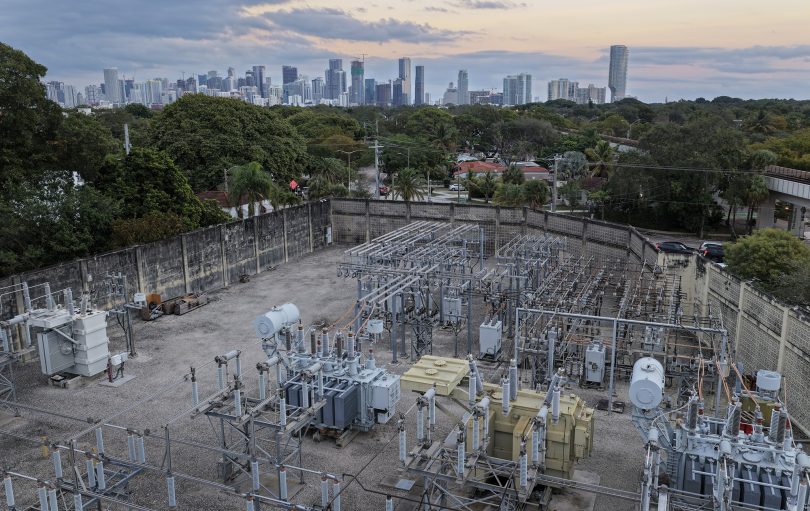
United States regulators have enacted significant measures to expedite the integration of data centres into the national power grids, concurrently addressing concerns over escalating utility costs. The Federal Energy Regulatory Commission (FERC) has approved a series of orders designed to streamline the interconnection process, aiming to reduce connection timelines from years to a maximum of 90 days. This strategic move is intended to remove critical bottlenecks that have threatened to impede the rapid expansion of the artificial intelligence (AI) sector.
These accelerated timelines, however, come with stipulated responsibilities for AI hyperscalers. Under the new framework, these entities may be required to secure their own power sources or manage demand during periods of peak grid stress. Furthermore, they will bear the costs associated with necessary grid upgrades to accommodate their substantial electricity requirements, as outlined by Laura Swett, Chair of FERC. Swett characterised the initiative as a paramount national priority, stating, “We are taking historic action to push our country’s electric markets and economy into the future.”
The directive mandates that six regional grid operators and their transmission owners must, within 60 days, either present tariffs that adequately address large-load customers or propose revisions to existing ones. This action follows pressure from the Trump Administration to solidify AI’s role as a foundational element of the American economy and reflects a notable surge in power market demand after two decades of relative stagnation. The rapid buildout of data centres and its inflationary impact on consumer energy bills have emerged as significant political issues ahead of the upcoming mid-term elections.
FERC’s decision aligns with a call made last year by US Energy Secretary Chris Wright for expedited reviews of data centre grid connections and the establishment of a broader framework for accelerating access to power supplies. Robert Montejo, a partner at Duane Morris LLP, commented on the shift, noting, “We’re out of the wild west era of data center development. This order may be remembered less for its technical reforms and more for recognizing that large-load interconnection is now a core political, planning, and economic issue.”
The expansion of data centres presents both opportunities, such as potential financing for grid upgrades by technology firms, and considerable risks, as their power demands are outpacing the grid’s adaptive capacity. The electricity consumption of a data centre can equate to that of a small city within a few years, compelling grid operators to manage these new loads without compromising system reliability or risking shortages and blackouts.
While various US grids have attempted to address the challenges of integrating data centres with electricity generation and controlling costs, the implementation of such policies has been inconsistent. PJM Interconnection LLC, the largest US grid operator serving 13 states and 67 million customers, has faced particular criticism for its slow processes and the subsequent rise in power bills.
FERC’s current initiative seeks to rectify this mismatch, though it has not imposed a uniform rule across the entire country. Chair Swett indicated that the equitable allocation of costs now rests with individual states. Utilities will also be required to report data centre-related costs to FERC, enhancing transparency, as Swett elaborated in an interview with Bloomberg News. A spokesperson for New York Independent System Operator, Kevin Lanahan, confirmed that FERC’s new approach offers grid operators the flexibility to adapt to region-specific conditions.
... FERC’s Grid Modernisation Mandate: Navigating the New Era of AI Data Centre Interconnections and Cost Allocation ... Naijaonpoint.