
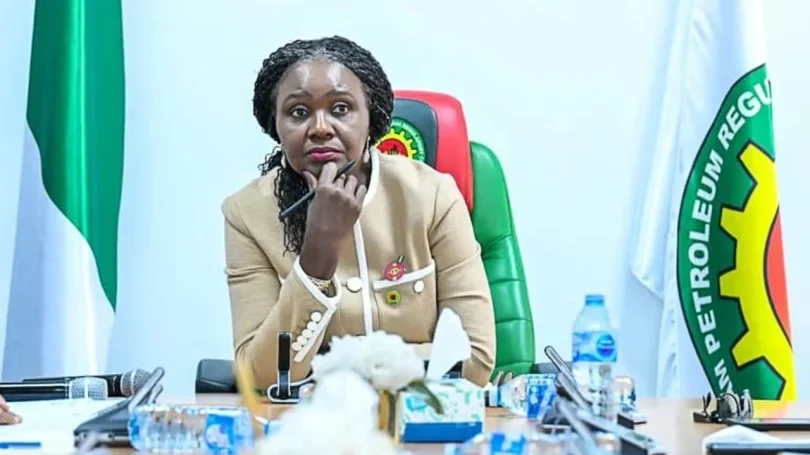
A communication expert, Tajudeen Suleiman, has commended the Nigerian National Upstream Petroleum Regulatory Commission (NUPRC) for conducting what he described as a transparent and credible 2025 Oil and Gas Licensing Round, saying the exercise successfully passed a critical transparency test.
In a review of the licensing round, Suleiman said the Commission’s adherence to established guidelines, deployment of a computer-based bid evaluation system and public conduct of the Commercial Bid Conference demonstrated its commitment to openness and accountability in the allocation of Nigeria’s upstream oil and gas assets.
According to him, the process, which culminated in the emergence of 31 companies as winners of 37 oil and gas blocks on July 21, 2026, reflected a rules-based approach capable of withstanding independent scrutiny.
Suleiman noted that the 2025 Licensing Round commenced after President Bola Ahmed Tinubu approved the exercise, with the NUPRC officially launching the bid round in London on November 11, 2025, before opening the registration portal on December 1.
He said the Commission complied with the Petroleum Industry Act (PIA) 2021 and the 2025 Licensing Round Guidelines by publishing statutory notices in national and international newspapers.
According to Suleiman, the Commission, under the leadership of its Chief Executive, Mrs. Oritsemeyiwa Eyesan, embedded transparency into every stage of the exercise through clearly defined participation requirements, technical and commercial evaluation criteria, pre-bid conferences, webinars and dedicated enquiry channels.
He stated that the licensing round attracted nearly 300 expressions of interest, with 196 companies prequalified for the bidding stage and 143 firms eventually submitting 200 technical and commercial bids across 37 assets.
Suleiman said the Commercial Bid Conference, which lasted eight hours and 34 minutes, was conducted before more than 600 participants, including bidders, observers, industry stakeholders and journalists, while proceedings were broadcast live.
He added that bidders were provided with technical support, standby laptops and power banks to ensure a seamless exercise.
According to him, commercial bids were assessed based on signature bonus, work programme commitment and work programme performance security, with successful bidders determined through a weighted aggregate scoring system rather than the highest immediate payment.
ALSO READ: My husband hauls insults on me, accuses me of dating my pastor — Wife
Suleiman also noted that the Commission introduced a transparent tie-break mechanism through additional signature bonus submissions and prohibited consortium discussions during the commercial bid stage to safeguard the integrity of the process.
He said bids were decrypted electronically and automatically validated against approved templates, while results were displayed in real time throughout the evaluation.
According to Suleiman, representatives of the Nigerian Extractive Industries Transparency Initiative (NEITI), the Federal Ministry of Finance and the Federal Ministry of Petroleum Resources monitored the exercise, providing additional oversight in line with the Petroleum Industry Act.
The communication expert also cited endorsements from industry stakeholders.
He quoted the Executive Director of TotalEnergies Nigeria, Abiodun Afolabi, as describing the exercise as “a very transparent and open process” and a significant improvement on previous licensing rounds.
He also cited the Country Manager of SLB, formerly Schlumberger, Dr. Nosa Omorodion, who said the exercise reinforced investor confidence through its openness, while the Managing Director of AYA Shafa, Abba Abdu Misau, described the bidding process as “excellent” and an improvement over previous rounds.
Suleiman maintained that the conduct of the 2025 Licensing Round demonstrated that transparent procedures, regulatory compliance and independent oversight could strengthen investor confidence and enhance the credibility of Nigeria’s upstream petroleum sector.