
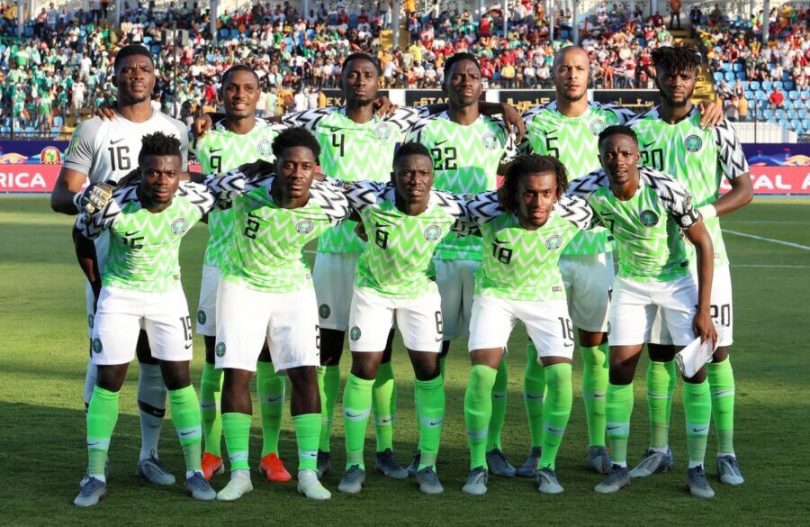
The Nigeria Football Federation (NFF) says it has lodged a formal petition with FIFA against the Democratic Republic of Congo over the alleged use of ineligible players during the African World Cup playoffs.
Mohammed Sanusi, NFF general secretary, disclosed this while speaking with journalists at an event on Tuesday.
Sanusi accused the Congolese Football Association of misleading FIFA into approving players whose eligibility allegedly conflicts with the country’s citizenship laws.
He said Congolese law stipulates that “you cannot have dual nationality”, arguing that several players in the Leopards’ squad held both European and Congolese passports during the playoffs.
Sanusi alleged that the players were registered through fraudulent means, adding that the NFF has asked FIFA to investigate the matter.
“FIFA cleared the players because FIFA’s eligibility rule is different from DR Congo’s rule. FIFA regulations say that once you have the passport of your country, you are eligible,” he said.
“But our contention is that FIFA was deceived into clearing them. Because it is not the responsibility of FIFA to ensure that the regulations of DR Congo are being abided by.
“It was on the basis of what was presented to FIFA that the players were cleared. But we are saying it was fraudulent.”
DR Congo defeated Nigeria’s Super Eagles 4-3 on penalties in the final of the African qualifiers for the 2026 World Cup.
The victory earned the Congolese a place in the inter-confederational playoffs.
They have been drawn to face the winners of the fixture between Jamaica and New Caledonia for one of the final World Cup tickets.
Several members of the DR Congo squad involved in the African playoffs were born outside the country and only recently became eligible to represent the national team.
DR Congo does not recognise dual citizenship.
Children born abroad to Congolese parents are permitted to hold dual nationality until the age of 21, after which they must renounce their other citizenship.