
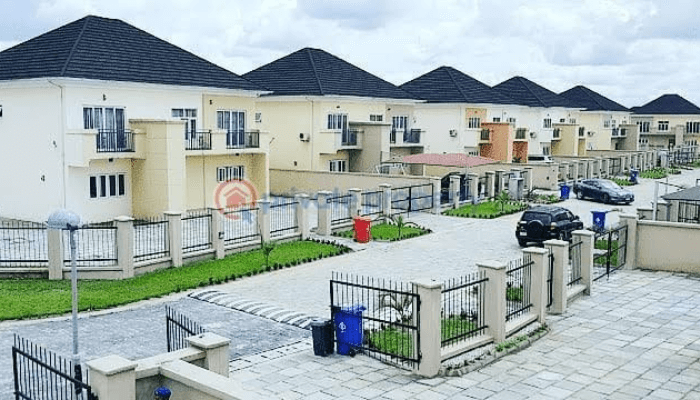
From Lagos to Ibadan, Abuja to Kano, Warri to Port Harcourt, and Akure to Benin, Nigerian households are grappling with soaring rents across cities. In Lagos, rents on the Island’s Lekki corridor have jumped from N7 million to N12 million, and from N10 million to N15 million in other areas. Some high-profile residents recently saw their rent rise from around N15 million to N25 million. On the mainland, neighborhoods like Mushin, Shomolu, Maryland, Surulere, and Agege have recorded increases of at least 30 percent to 40 percent.
In Ibadan, once middle-class suburbs have also felt the pressure. Between 2020 and 2022, a typical middle-class family could rent decent accommodation in areas such as New Bodija, Iyagangu, Jericho, Ikolaba, and Agodi for N1 million to N3 million. Today, the same properties average N4 million to N5 million, with rents climbing as high as N7 million to N8 million in Bodija, Akobo, and Oluyole.
This crisis intensified after 2023 and now affects nearly all major Nigerian cities. The situation is compounded by the rise of so-called housing agents who levy unconventional fees including commission, caution deposits, and legal agreement charges ranging from 40 percent to 50 percent of the actual rent.
A property with a base annual rent of N3 million can suddenly cost N4.5 million or more. Beyond the price increase, the payment structure itself is daunting. Tenants are often required to pay annual rent upfront. For a household earning N300,000 monthly, several months of income may disappear instantly to cover rent, leaving little for feeding, transportation, medical bills, children’s education, or other essentials.
For many households, rent alone consumes more than 70 percent of annual income, turning the basic necessity of shelter into a financial burden.
Why this is not just an emotional problem
The Nigerian rent crisis is not simply a case of greedy landlords or powerless tenants. It is a structural problem shaped by demographics, finance, supply constraints, and policy gaps.
Nigeria’s population exceeds 220 million, with about 60 percent under the age of 25. Millions of young adults are forming households and demanding accommodation, yet the system lacks infrastructure to track household formation, occupancy, and rent trends reliably. Income growth has not kept pace with inflation and rent hikes, while construction has struggled to meet demand.
Another overlooked factor is the role of diaspora landlords. Many Nigerians living in the United Kingdom, the United States, Canada, and other countries invest in property back home through inheritance or by purchasing units to rent out. These landlords often benchmark rental income against foreign currencies such as the US dollar or British pound. When the naira depreciates, they perceive a loss in the real value of their investments and increase rents to preserve value when converted abroad.
While understandable from an investment standpoint, this approach ignores the realities of local tenants whose wages have not increased proportionally. The result is rising rent pressure in high demand areas such as Lekki, Victoria Island, New Bodija, and Agodi.
Read also: Rent crisis forces young workers back to childhood bedrooms
Why compare with the United Kingdom
Using the United Kingdom as a benchmark is not about copying solutions wholesale. It is about learning from a more mature housing market where data, policy, and financing systems produce predictable outcomes.
The United Kingdom, with a population of about 69.5 million, actively tracks household formation, rent affordability, and income trends. Average private rent is around £1,000 per month, and households spend roughly 36 percent of income on rent. In Lagos, the share often ranges between 50 percent and 70 percent.
Long term mortgages and social housing programmes reduce pressure on the private rental market, while data driven monitoring informs policy decisions. The lesson for Nigeria is clear. Structured systems, transparency, and financing mechanisms help stabilize housing markets.
What Nigeria can do
Nigeria needs reliable housing data infrastructure. National and city level databases should monitor households, rents, construction, and affordability. This will enable better forecasting of housing demand and guide both policy and private investment.
Flexible financing options are also necessary. Mortgages, rent to own schemes, and phased payment models aligned with naira-based incomes can help households manage rental obligations. Banks, fintech companies, and microfinance institutions can collaborate to develop products suited to the income realities of middle-class Nigerians.
Expanding affordable housing supply is equally important. Developers should be encouraged to build mid-market and social housing, not only luxury properties. Tax incentives, public private partnerships, and faster approval processes can accelerate supply and reduce pressure on rental markets.
Regulation and legal protection should also improve. Standardized tenancy agreements, licensing of agents, and local rent tribunals can protect tenants while maintaining investor confidence. Regulatory oversight will reduce exploitative practices and arbitrary charges.
Why emotional resilience alone will not solve the crisis
Many Nigerians attempt to cope emotionally through resilience, negotiation, or personal savings. However, this cannot resolve systemic challenges. In cities such as Lagos and Ibadan, households often spend between 50 percent and 70 percent of their income on rent. Weak legal protections leave tenants vulnerable to exploitative agents and unclear contracts. Rapid urbanization, limited financing, and constrained housing supply continue to deepen shortages.
Emotional endurance may help families manage short term pressures, but sustainable solutions require systemic reforms, including transparent digital platforms, stronger regulation, and financing systems that reflect local economic realities.
Introducing HOUSMATA mobile app
After more than a decade in Nigeria’s real estate and property management sector, I have witnessed the challenges tenants face and the inefficiencies in the rental system. From uncoordinated agents to unstructured tenancy agreements and opaque pricing, the market has long been fragmented.
Through HOUSMATA, Property Max Results Group, in partnership with technology firm Merk365 and legal chamber Swift Legal, has developed a digital rental ecosystem designed to address these structural problems.
The platform simplifies tenancy agreements while protecting both landlords and tenants. It reduces duplication by coordinating verified agents, eliminates unverified middlemen, and provides transparent listings to qualified tenants. The system also promotes professional standards that emphasize honesty, accountability, and ethical conduct in property management.
HOUSMATA demonstrates how technology and professional standards can address structural housing problems rather than simply managing the emotional impact of high rents.
Conclusion
Nigeria’s housing crisis is structural, not personal. Emotional resilience is important, but meaningful solutions require innovation, stronger institutions, and improved financing systems.