
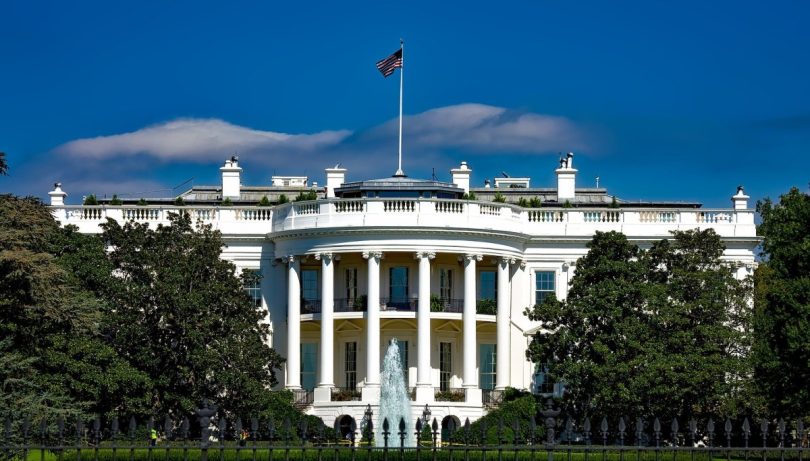
The Trump administration is reportedly preparing to implement a ban on solar inverters manufactured by Chinese companies, a move that could significantly impact the renewable energy sector and supply chains. According to a Reuters report citing anonymous sources familiar with the matter, the Federal Communications Commission (FCC) is drafting the proposed restrictions, which would prohibit the use of these Chinese-made inverters in U.S. energy projects. The publication of these rules is anticipated as early as this year.
This potential ban stems from escalating cybersecurity concerns, as U.S. policymakers aim to safeguard the nation’s critical power grid and renewable energy infrastructure from potential foreign interference. The Chinese embassy in Washington D.C., in response to inquiries from Reuters, stated its firm opposition to the “overstretching of the concept of national security and its unjustified suppression of Chinese companies,” advocating for a “fair, just and non-discriminatory environment” for Chinese businesses.
This development mirrors a similar regulatory action taken in Europe. On April 23, the European Commission introduced rules that restrict the use of EU funds for energy projects employing inverters from “high-risk” suppliers. While not an outright ban on inverters from specific countries, this effectively curtailed funding for products from Chinese companies. China’s Ministry of Commerce (MOFCOM) reacted critically to the EU’s designation, warning that it would “undermine mutual trust,” disrupt bilateral economic and trade cooperation, destabilize industrial and supply chains globally, and potentially lead to decoupling.
Further underscoring U.S. concerns, the Department of Defense (DOD) previously added several prominent Chinese energy storage companies, including CATL, BYD, JA Solar, Trina Solar, Three Gorges, and Huawei, to its list of designated “Chinese military companies.” This designation will prohibit the DOD from engaging in business with these entities starting in 2027.
While experts acknowledge the validity of cybersecurity concerns surrounding equipment like solar inverters, they suggest that outright bans may not be the sole or ultimate solution for enhancing security. Uri Sadot, CEO of SolarDefend, argued in a recent op-ed for pv magazine Global that European lawmakers should prioritize the establishment of “clear technical standards rooted in zero-trust principles and applied consistently across the sector.”
The practical implications of such a ban, whether from the EU or a potential U.S. prohibition, are substantial. A significant portion of existing solar installations worldwide currently operate with Chinese hardware. Moreover, even U.S.-based manufacturers frequently incorporate numerous Chinese components in their production processes.
Concerns regarding the security of Chinese solar inverters were amplified in 2025 when Reuters reported on allegations of hidden devices discovered within some units. Anonymous sources claimed that U.S. experts had identified “rogue communication devices” not documented in product specifications. In response, authorities from the U.S. Department of Energy (DOE) conducted inspections of approximately 30 inverters earlier this year. While the DOE found no evidence of malicious or intentional communication discrepancies, they cautioned that persistent supply chain threats and the inherent “complexity of inverter supply chains” could still present opportunities for cybersecurity breaches and the introduction of malicious components.
... US Mulls Chinese Solar Inverter Ban Amid Escalating Cybersecurity Concerns ... Naijaonpoint.