
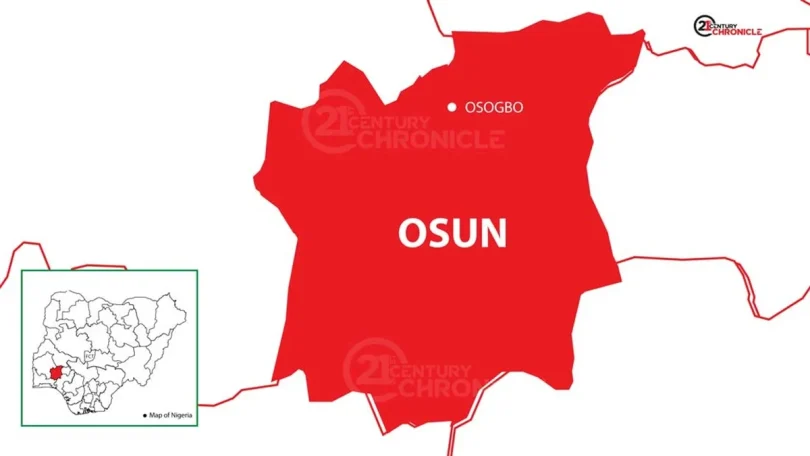
The British High Commission has raised concerns over vote-buying, voter interference and challenges with the deployment of the Bimodal Voter Accreditation System (BVAS) during the August 15 Osun governorship election.
The commission, while commending the people of Osun for their peaceful participation in the election, also congratulated Governor Ademola Adeleke on his re-election.
In a statement issued on Monday, the British High Commission said its accredited observers monitored the election after engaging with a range of stakeholders ahead of the poll.
It said its observations were consistent with findings by credible independent observer groups with wider deployments across the state.
The commission noted several positive developments, including the opening of polling units as scheduled in many locations, the commitment of security personnel to maintaining order and the effective implementation of electoral procedures by officials of the Independent National Electoral Commission (INEC).
“Most of all, we were encouraged by the patience, resilience and participation demonstrated by voters throughout the day,” it said.
However, the commission said isolated incidents generated tension before and during the election, while voter interference, including vote-buying, remained a significant challenge across party lines.
It also identified continued difficulties in providing access for persons with disabilities and elderly voters, as well as overcrowding arising from the speed and limited provision of BVAS devices for accreditation.
The British High Commission urged relevant institutions to carefully review the challenges and draw lessons from the election to strengthen public confidence, transparency and accountability.
It specifically referenced recommendations from credible organisations such as the Nigeria Civil Society Situation Room as useful in improving future electoral processes.
Looking ahead to the 2027 general elections, the commission noted that off-cycle elections benefited from the availability of additional personnel and resources, which could be more difficult to replicate during nationwide elections.
It, however, expressed hope that lessons from the Osun election would contribute to improvements that would strengthen the integrity, inclusiveness and credibility of future elections.
“The United Kingdom remains committed to working with Nigeria’s electoral institutions, civil society and other partners to support peaceful, transparent, inclusive and credible elections, and to strengthen the democratic institutions that underpin them,” the commission said.