
The Eburu of Iba in Osun State, Oba Adekunle Adeogun Okunoye, has emphasised how traditional rulers can positively influence the political process in the country, particularly by serving as election observers during elections.
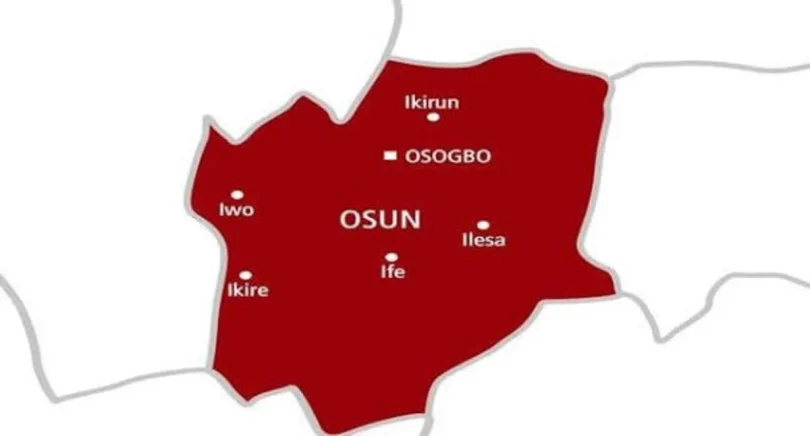
Using the recently concluded governorship election in Osun State as an example, a research and advocacy organisation founded by the monarch, the Centre for Rural Affairs and Community Development (CERACODE), marked a new phase in the involvement of traditional institutions in democratic governance with the deployment of royal fathers and other professionals as election observers during the election.
The monarch, who is also a Professor of Business Analytics at a prestigious College of Business in the Midwestern United States, established the body to create a platform for research, advocacy and engagement on rural affairs and community development.
Speaking on the initiative, Oba Okunoye said an effort to combine his professional experience with his responsibilities as a traditional ruler, while exploring ways traditional institutions can contribute to governance within the framework of existing laws and regulations, led to the establishment of the centre.
During the election, the Eburu said he mobilised fellow traditional rulers, many of whom already serve on CERACODE’s Board of Advisers, following concerns over the possibility of tension, protests and disputes at the election.
The concerns, he further said, were heightened by developments in the six months preceding the poll, arguing that traditional rulers were particularly well-positioned to serve as election observers because of their close relationship with their communities and their role as custodians of societal values.
Oba Okunoye maintained that monarchs could provide honest, transparent and impartial accounts of what transpired during elections without fear of intimidation or favour.
Over the years, the CERACODE has organised international conferences and seminars focusing on topical issues affecting rural development and community advancement.
Rather than waiting for the constitutional roles being advocated for by traditional rulers across the country, the Eburu chose to explore areas in which monarchs could make meaningful contributions to national development under existing legal and regulatory provisions.
This search for a broader role for traditional institutions in democratic governance led to CERACODE’s registration as an election observer organisation with the Independent National Electoral Commission (INEC).