
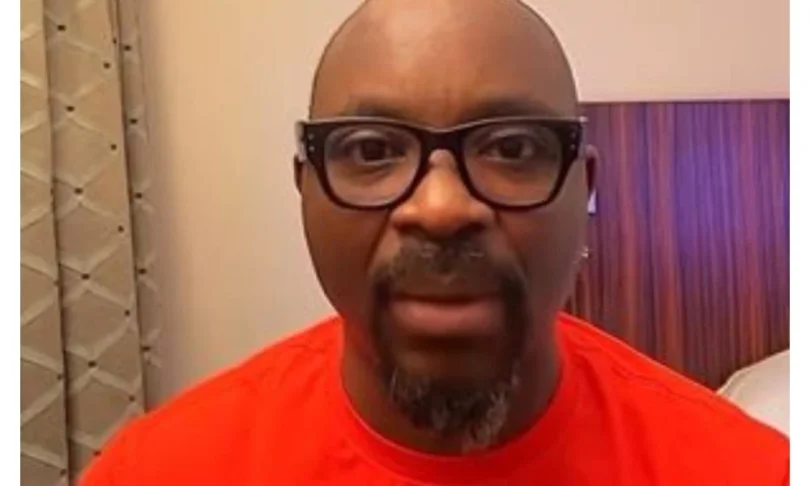
Businessman Isaac Fayose has criticised Nigerian youths over what he described as their disappointing turnout at the ‘Take Your Country Back’ protest held on Monday.
Fayose accused young Nigerians of failing to match their frequent complaints about the country’s worsening situation with action, despite being among those most affected by the policies of President Bola Tinubu’s administration.
In a video shared on his Facebook page, the businessman expressed disappointment that many youths who regularly criticise the government on social media failed to participate in the demonstration.
He said their absence from the protest amounted to abandoning the struggle for a better country.
“Shame on the youths who refused to take their country back!! Sorry for all of you. As for me, I won’t give up on my country Nigeria,” he said.
Taking his criticism further, Fayose accused Nigerian youths of contributing to the country’s political problems through their conduct during elections.
He alleged that some young people sell their votes for as little as N5,000, food items such as rice and noodles, only to complain about poor leadership after elections.
He also accused politicians of recruiting youths as political thugs during election campaigns and abandoning them once they achieve their ambitions.
Also Read: Camosunate has not been banned – NAFDAC warns Nigerians over viral claims
According to Fayose, young Nigerians cannot continue demanding a better country while expecting opposition politicians, particularly Peter Obi, to shoulder the responsibility of fighting for political change on their behalf.
“You want a new Nigeria, but you don’t want to fight for it. You want Peter Obi to fight alone for you? As for me, I won’t give up on my country, Nigeria,” he added.
Fayose is known for his outspoken social media commentary, frequently criticising Nigerian politicians and the Tinubu administration over economic hardship, insecurity, hunger and other national challenges.
His latest remarks come amid renewed public conversations about citizens’ participation in protests and the growing pressure on political leaders ahead of the 2027 general elections.