
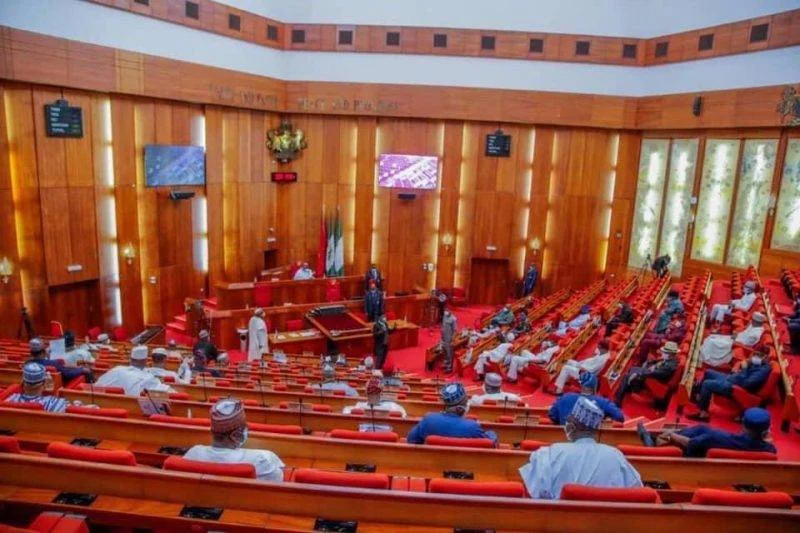
The Senate Committee on Petroleum Sector has pledged to decisively address and eliminate the persistent jurisdictional regulatory conflicts between the Nigeria Mainstream and Downstream Petroleum Regulatory Authority (NMDPRA) and the Oil and Gas Free Zone Authority (OGFZA). This commitment was articulated by the Chairman of the Senate Committee on Downstream Petroleum Sector, Senator Abdulrahman Sumaila, during a five-day retreat that concluded in Yenagoa, Bayelsa State, on Friday, June 19, 2026.
Senator Sumaila assured stakeholders that the committee would produce actionable and implementable recommendations designed to foster regulatory harmony, bolster investor confidence, enhance energy security, and promote sustainable economic development within Nigeria’s critical petroleum industry. The retreat itself was strategically designed to serve as a neutral forum for constructive dialogue among all pertinent stakeholders.
“The objectives of the retreat are to facilitate meaningful dialogue among all stakeholders on issues arising from the overlapping statutory mandates; develop practical coordination framework capable of promoting seamless regulations, while respecting the lawful mandates of the institutions involved,” Senator Sumaila explained. He further elaborated that the committee would scrutinise the existing legislative framework to determine if clarification or amendment is necessary, identify any ambiguities, and ensure that the retreat’s outcomes align with national security imperatives, consumer protection standards, market stability, and overall economic growth.
Senator Sumaila affirmed that every presentation, submission, and legal argument presented during the retreat would be meticulously examined. Upon conclusion of its deliberations, the committee intends to formulate unbiased, evidence-based, and objective recommendations aimed at providing both immediate and long-term solutions to the identified jurisdictional regulatory issues. “Where permanent legislation, policy or constitutional reforms are required to prevent conflicts among the agencies, the committee will not hesitate to recommend such measures in the override interest of the nation,” he stated. The ultimate goal, he emphasised, is to cultivate a regulatory environment characterised by regularity, cooperation, accountability, efficiency, and legal certainty, thereby supporting engagement, promoting healthy institutional collaboration, safeguarding national interests, and reinforcing Nigeria’s standing as a leading energy hub in Africa.
In parallel, Alhaji Bamanga Jada, the Managing Director of the Oil and Gas Free Zone Authority, urged all regulatory stakeholders within the petroleum sector to cease promoting unhealthy jurisdictional ambiguity among federal government agencies. Jada stressed that all regulatory bodies in the sub-sector are expected to contribute to creating a business-enabling environment that actively promotes inter-agency regulatory cooperation. He advocated for this to be achieved by adhering to global principles of the rule of law and making concerted efforts to continuously build and sustain investor confidence.
Alhaji Jada highlighted the critical importance of this collaborative approach for Nigeria to achieve its ambition of becoming Africa’s foremost energy and industrial hub. He specifically pointed to the need for Free Zone investors, such as Dangote Industries Free Zone, to benefit from the one-stop-shop principle, a practice successfully implemented in Free Zones worldwide. “They all operate one coordinated regulatory system, and all institutions of government in Nigeria must continue to be encouraged to understand the greater national objectives of the Free zone scheme,” he concluded.
... Senate Committee Vows to Resolve Jurisdictional Conflicts Hampering Nigeria’s Petroleum Sector Regulation ... Naijaonpoint.