
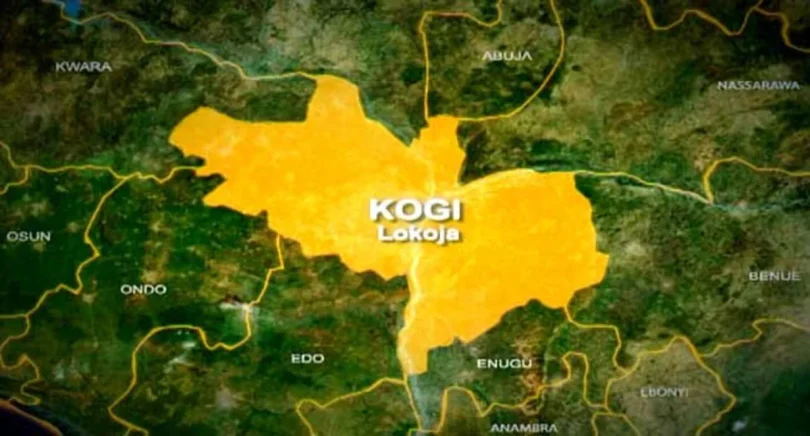
The Nigerian Veterinary Medical Association (NVMA), Kogi Chapter, has called for the review and domestication of the Kogi State Rabies Control and Responsible Dog Ownership Bill 2026 to strengthen rabies prevention and control.
The Chairman of the association, Dr Tolu Omotugba, made the call on Monday in Lokoja at a news conference held at the NVMA Secretariat to mark the 2026 World Rabies Day.
Omotugba said the state could no longer rely on outdated and weak laws to tackle rabies, a disease that is 99.9 per cent fatal once symptoms appear but 100 per cent preventable.
He cited the Rabies Act of 1935, which empowers authorities to seize and destroy stray dogs after three days, and the Dogs Law, Cap 36 of Northern Nigeria, adopted under Section 315 of the 1999 Constitution, which makes keeping dogs without a licence an offence.
According to him, the laws were made for colonial administration and do not provide for modern population management, responsible ownership, compensation, or a state-wide database, resulting in less than five per cent licensing compliance in Lokoja, Okene, Anyigba and Ankpa.
ALSO READ: NVMA sets N200,000 minimum wage for fresh private veterinarians
“We cannot eliminate a 21st-century disease with 20th-century laws,” he said.
He said the proposed bill should make annual rabies vaccination compulsory, establish a state-wide dog registry and licensing system, stipulate clear penalties for owners who allow dogs to stray and liability for bite injuries, and replace shooting on sight with humane management through vaccination, identification and sheltering.
The chairman said Kogi, with 21 LGAs, a large dog population used for hunting and security, and porous borders that link many states, could not afford complacency.
“Today, Sept. 28, Kogi joins the world to mark World Rabies Day, not for ceremony, but because rabies is still killing our loved ones. A single dog bite, a single scratch, can end a family. In 2025, Bassa LGA in Plateau lost 12 lives, including a family of three,” he said.
He said the 2026 global theme, “Stronger Together”, calls for collaboration among Ministries of Health, Environment, Education and Livestock, veterinary officers, medical doctors, environmental health officers and community leaders under the One Health approach.
Omotugba commended the Federal Government through the Federal Ministry of Livestock Development led by Minister Idi Mukhtar Maiha for targeting 70 per cent annual dog vaccination and zero human deaths by 2030, noting that 26,000 doses were deployed to eight high-risk states in October 2025 while FCT recently flagged off vaccination of 20,000 dogs across 62 wards.
“For Kogi to benefit, we must put our own house in order,” he said.
He also called for dedicated funding for One Health under the Livestock Productivity and Resilience Support (L-PRES) Project, of which Kogi is a beneficiary, to support free mass dog vaccination, sensitisation campaigns in schools and communities, and provision of post-exposure prophylaxis in state hospitals.
He further advocated the creation of a Kogi State One Health Rabies Task Force to coordinate inter-ministerial response.
On manpower, Omotugba urged the state government to employ a minimum of two veterinary doctors per LGA, and up to five where possible, to drive surveillance and disease reporting.
“We have about 28 to 30 veterinary officers in the Kogi civil service, which is not enough. Some LGAs do not even have one. Most states have over 50 to 100, some about 200. We need veterinary presence in all 21 LGAs for diseases of public health concern,” he said.
He urged the state to lead as the first in North-Central to be rabies-free.