
Professionals in Nigeria’s travel and tourism industry have expressed optimism that the sector, currently estimated at $14 billion, can grow to a $100 billion industry by 2030 if critical stakeholders are intentional about achieving the target.
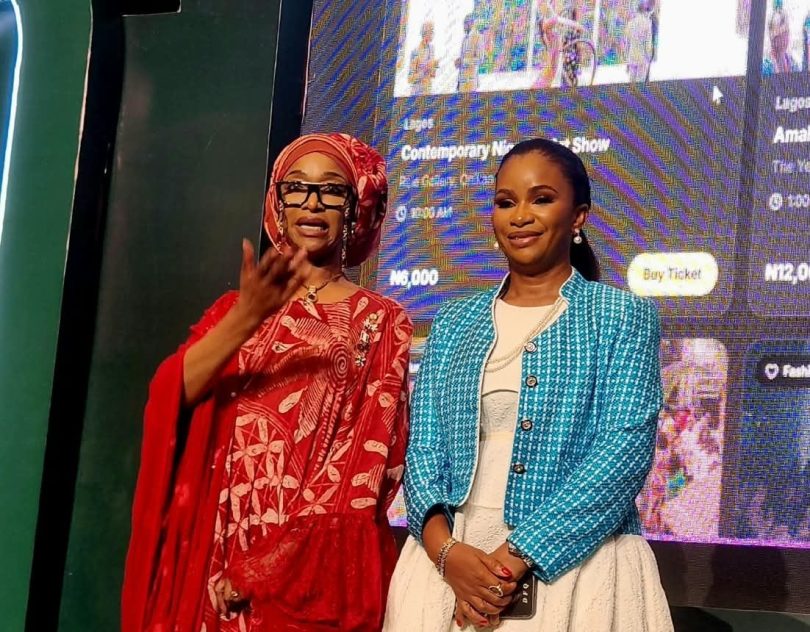
The experts spoke at the Ember2Remember Stakeholders’ Conference and the official launch of Nigeria’s coordinated September-to-December 100-day calendar of festivals, concerts and cultural events in Lagos on Monday.
The Chief Executive Officer of Landmark Africa, Paul Onwuanibe, described the $100 billion target as a low benchmark considering the immense potential of the sector and the opportunities available to stakeholders.
According to him, for Nigeria to achieve the target, stakeholders must own the narratives about the Nigerian brand, noting that narratives about the country had not helped its image because they were often churned out by strangers.
He added that for the country’s rich cultural potential to be effectively showcased to the outside world, it must be well packaged to attract investors.
ALSO READ: Ekiti origin claim: Let’s meet in court, Hunye dares Yayi
Onwuanibe therefore urged stakeholders, particularly the government, to see tourism not as a decoration but as serious business involving both the national and sub-national governments.
He also advocated a single tourism desk in the country to facilitate tourists’ experiences, while calling for the concession of some of the nation’s tourist sites, including Olumo Rock and Nike Lake, to fast-track growth in the sector.
Also speaking at the event, the CEO of MyCityApp, Mrs. Ifeoma Chukwu, noted that while building a $100 billion tourism economy sounded ambitious, evidence from other countries showed that it was achievable.
“In 2024, tourism contributed over $270 billion to Spain’s economy, about $289 billion to France and more than $2.5 trillion to the economy of the United States.
“So, the question is not whether a $100 billion tourism economy is possible. It is: why not Nigeria?”, she stated.
She advised stakeholders to take advantage of the opportunity to turn visitors’ experiences of the nation’s rich culture and vibrant creative industry into economic value.
Chukwu explained that the Ember2Remember initiative was conceived to close the gap created by fragmented information about events taking place during the period, with MyCityApp and MyLagosApp serving as the digital engines for the National Digital Calendar.
“Events are all over the social media, another festival may have existed for 50 years, yet someone outside that community has never heard about it. That is the gap we want to close,” she added.
She explained that the digital engine would bring events and experiences across Nigeria into one place and push them through a 360-degree media ecosystem to Nigerians.
Speaking on “Unlocking Nigeria’s $100billion Tourism and Creative Economy Opportunity”, the Minister of Art, Culture and the Creative Economy, Hannatu Musa Musawa, said that every year, particularly between September and December, millions of Nigerians and visitors travel, celebrate, reconnect and spend across the nation’s cities and communities.
She explained that the thinking behind the Ember to Remember initiative was designed to convert those activities into sustainable economic value.
The minister commended the Chief Executive Officer of MyCityApp for being instrumental to driving the initiative and expressed the ministry’s commitment to supporting the programme and working with the private sector to take it to greater heights.