
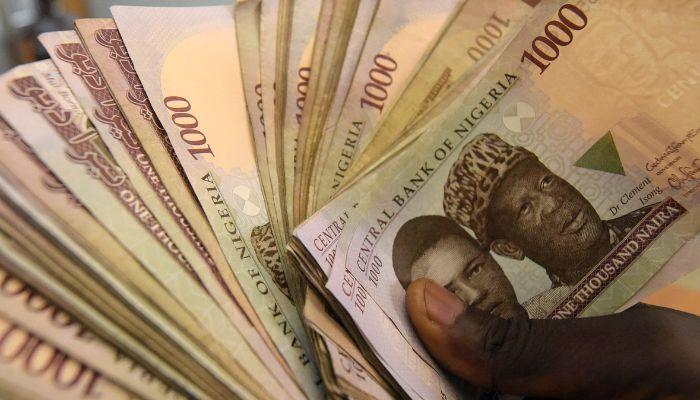
Nigeria’s broad money supply has climbed to an all-time high of N122.9 trillion, underscoring the resilience of liquidity growth in the economy. This is even as the Central Bank of Nigeria (CBN) sustains an aggressive monetary tightening stance to rein in inflation and stabilise the foreign exchange market.
Data released by the apex bank show that broad money (M3), a comprehensive measure of money in circulation including currency, demand deposits, savings and other liquid assets, rose to N122.95 trillion in November 2025. This represents a year-on-year increase of 12.8 percent, translating to an expansion of N13.98 trillion from N108.97 trillion recorded in November 2024. The figures highlight the scale of liquidity expansion over the past year, despite repeated interest rate hikes and other tightening measures by the monetary authorities.
On a month-on-month basis, money supply also recorded a notable increase. The CBN data indicate that M3 rose by N3.9 trillion or 3.3 percent from N119.03 trillion in October 2025 to its current level in November, suggesting a sustained build-up in liquidity toward the end of the year.
Commenting on the reasons behind the surge, Tilewa Adebajo, chief executive officer of CFG Advisory, said a combination of external and domestic factors has continued to drive money supply growth. According to him, strength in the external sector has played a significant role, with the Monetary Policy Committee noting a surplus current account balance and steady accretion to foreign reserves. These inflows, he said, have supported exchange rate stability and helped moderate inflationary pressures, while also expanding naira liquidity through the conversion of foreign currency inflows.
Read also: Nigeria’s Money supply drops 1.5% to N117.8 Trillion
Adebajo also pointed to balance sheet expansion within the domestic economy. Broad money typically grows when domestic credit expands, including borrowing by the government, especially when such liquidity is not fully sterilised by the Central Cank. He added that exchange rate valuation effects have also contributed, noting that large adjustments in the exchange rate can inflate naira-denominated measures of broad money through the revaluation of foreign-currency assets held within the financial system.
In addition, seasonal factors associated with year-end activities were at play. Higher transaction demand related to payments, stocking of inventories and general economic activity toward the end of the year often lead to temporary increases in bank deposits and currency in circulation, further pushing up measured money supply.
On the implications for the economy, Adebajo warned that faster growth in broad money could pose risks to the inflation outlook if it continues to outpace real output growth. While inflation eased to 14.45 percent in November 2025, sustained liquidity expansion, he said, could slow the pace of disinflation by adding demand-side pressures to the economy.
He also noted that the CBN’s response to rising liquidity could keep interest rates elevated. Efforts to contain inflation and foreign exchange pressures through liquidity-mopping operations, such as open market operations and other tightening tools, typically translate into higher market yields and borrowing costs, affecting businesses and households.
Read also: Inflation seen easing as FX inflows rise, money supply falls
The impact on the exchange rate, according to Adebajo, will depend largely on the source of the money supply growth. If the expansion reflects genuine foreign exchange inflows and stronger external buffers, it could help sustain stability in the foreign exchange market. However, if it is driven mainly by domestic liquidity creation without a corresponding increase in foreign exchange supply, it could fuel demand for dollars and place renewed pressure on the naira.
He added that while increased liquidity has the potential to support economic growth, its quality matters. If rising money supply translates into productive credit to the private sector, it can stimulate investment and output. However, if it is dominated by public sector borrowing, there is a risk of crowding out private investment and weakening credit quality.
Analysts say key indicators to monitor over the coming quarters include trends in foreign reserves and net foreign exchange inflows, the balance between credit to government and credit to the private sector, the intensity of the CBN’s liquidity sterilisation efforts, and the trajectory of inflation and inflation expectations, particularly food prices and other foreign exchange-sensitive components.