
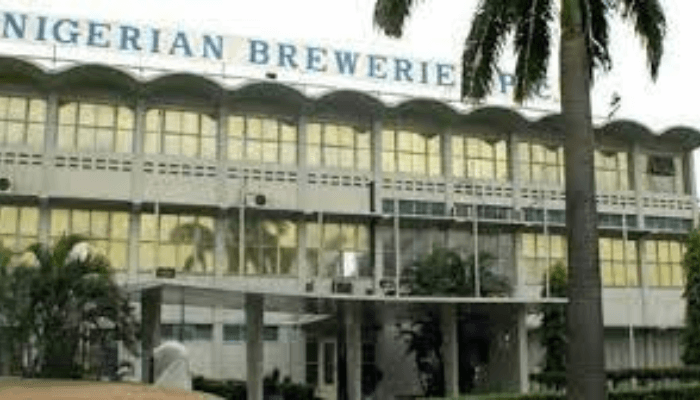
Nigerian Breweries has reaffirmed its commitment to achieving net-zero carbon emissions in 2030, backed by over N2.5 billion in renewable energy investments across its operations.
Uzodinma Odenigbo, the company’s corporation affairs director, said the brewer had “made significant investments in renewable solutions such as biomass, solar, and energy-efficiency projects” to reduce its carbon footprint nationwide. He made this statement at a media briefing held on October 10.
According to him, Nigerian Breweries has signed multiple power purchase agreements with renewable firms in recent years to reduce its dependency on non-renewable energy sources.
Read also: Nigerian Breweries posts N86bn profit despite Q3 setback
“Over the past few years, we have made notable investments in renewable energy as part of our transition toward net-zero operations that many people are unaware of,” said Odenigbo.
He added that the company’s Brew a Better World sustainability strategy has guided its environmental and social investments, including reforestation and water-replenishment projects.
“The company has committed considerable resources by contributing to water replenishment projects in water-stressed areas, including support for the Olokomeji reforestation initiative, where over 300,000 trees have been planted in Ogun State through external partnerships,” Odenigbo said.
He also said the Lagos-based brewer is deepening its investment in community development and local empowerment. The company will continue to support its host communities through capacity-building programs and expansion projects that create employment opportunities.
According to him, Nigerian Breweries has invested more than N200 million in skill-acquisition initiatives and the construction of cassava milling plants in Kaduna and Awo-Omamma. He added that, in partnership with other members of the Beer Sectoral Group and the Federal Road Safety Corps, the company is sustaining its annual advocacy campaign promoting responsible alcohol consumption among commercial drivers, with a target of reaching up to 1,000 drivers by December 2025.